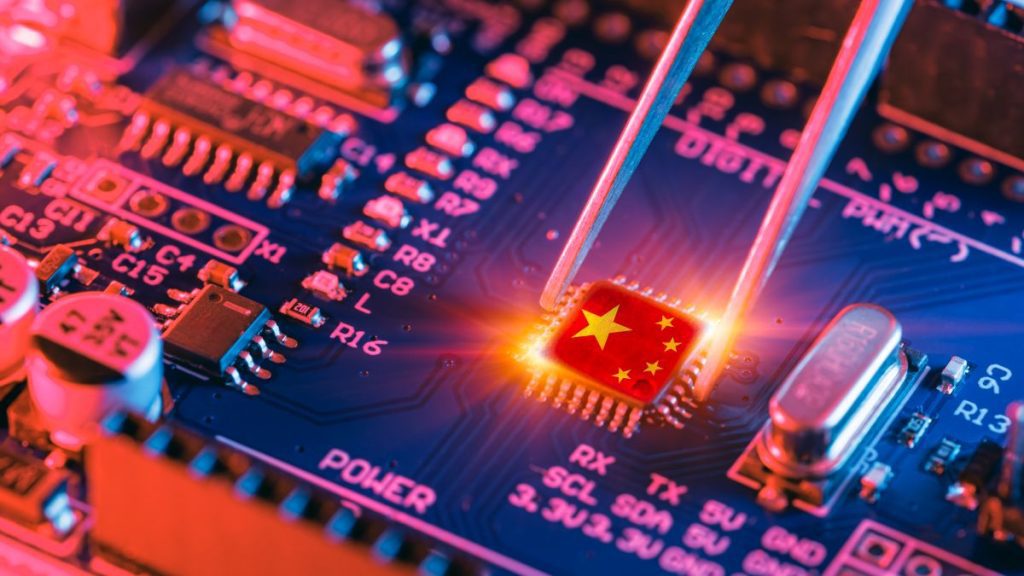
The China semiconductor market is driven by an intense global memory chip shortage triggered by AI demand and geopolitics, as recyclers hunt old mobile phones to provide chipmakers struggling to find components.
Electronic waste has suddenly become a frontline for tech survival. As the cost of new parts climbs, the value is being rediscovered, turning forgotten handsets into a resource for a modern world desperate for silicon.
It is a response to the US China semiconductor war that forced local industries to become more resourceful.
Hurdles on China Semiconductor Market
In cities across China, old phones and China chip manufacturers that were previously worth almost nothing are now fetching significant prices. Retailers report that basic handsets formerly valued at a few dollars are now selling for over $15.
Even two non-functional devices recently sold for a total of $14.5, highlighting the demand for parts by China chip manufacturers. One recycler noted that their monthly collection volume has jumped from just a few units to nearly 40 per day.
This surge is driven by the fact that memory chips salvaged from these phones are surprisingly efficient. When refurbished, they perform nearly as well as brand-new components but cost about 40% to 60% less.
More importantly, they are available immediately, bypassing the long waiting lists that currently plague the China semiconductor market. According to the China Semiconductor Industry Association (CSIA), these recovered parts are essential for keeping smaller electronics factories running during these lean times.
AI Hunger in Trade
The root of the problem lies in a massive shift in how chips are made. Industry giants have moved nearly 90% of their production toward high-end China AI chips.
This has result with the market being left for China legacy chips -the ones used in everyday smartphones, cameras, and smart home devices- in a severe scarcity. With spot prices for memory jumping by 300% recently, China semiconductor manufacturers are looking for any alternative they can find to stay on the surface.
Operation Epic Fury targeting Iranian leadership, also triggered strikes that disabled Qatar’s Ras Laffan Industrial City and cut off a third of the world’s helium supply. With the Strait of Hormuz closed to shipping, this loss of critical raw materials has forced emergency rationing at semiconductor fabrication plants, further paralyzing the global supply chain and China semiconductor strategy.
China semiconductor market is also reacting to shifting trade policies. Despite the ongoing China semiconductor restrictions, some relief arrived.
The specific China chip import exemption in early 2026 has reduced the burden. This release has reduced the burden on local production, especially as the industry navigates “RAMageddon,” a period where high-bandwidth memory production for AI data centers is displacing conventional DRAM-volatile memory- wafers on the factory floor.
This policy shifted the licensing review for certain computing semiconductors from a presumption of denial to a case-by-case basis, allowing limited imports of chips like Nvidia’s H200 to stabilize the China semiconductor landscape.
youtube.com/watch?v=pyAL6Kcu_Rk
The semiconductor industry is increasingly focused on China AI chip development to ensure long-term independence. While the China semiconductor market waits for new factories to open, the recycling boom serves as a necessary bridge.
A new reality for the China semiconductor market is being shaped. In a landscape where China AI chips get priority for every Silicon wafer, the consumer sector has been forced to find creative alternatives.
Now, the China semiconductor world must rely on every available resource, from recycled components to optimized legacy tech, to maintain its supply chain.
Inside Telecom provides you with an extensive list of content covering all aspects of the tech industry. Keep an eye on our Tech sections to stay informed and up-to-date with our daily articles