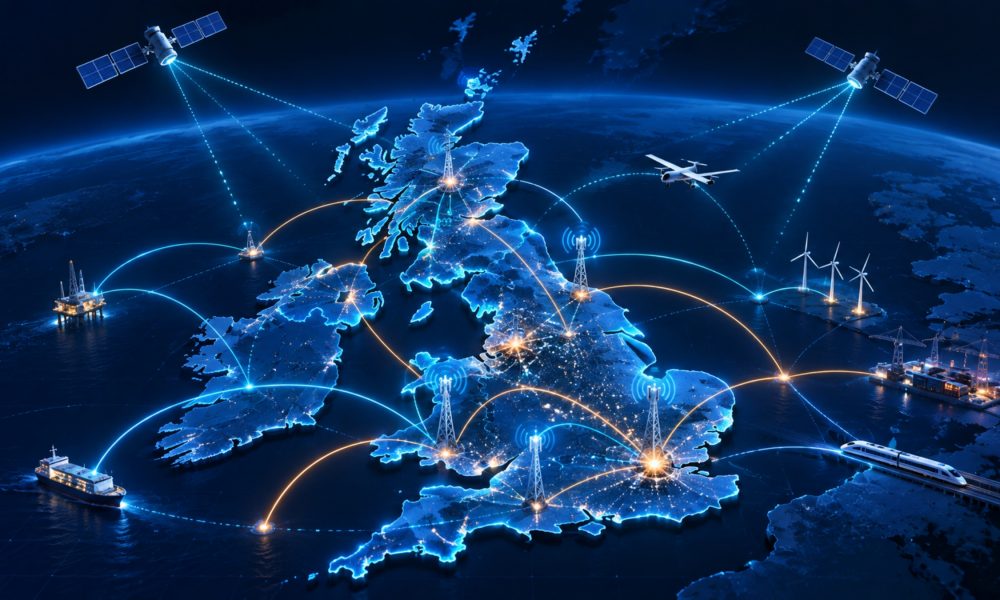
The UK reliance on drones, satellite links, and networks is turning communication resilience into a national security requirement.
Insights

Explore the impact of AI in telecom for faster anomaly detection and better network optimization with minimal human input.

AI has become part of how we write, research, design, and strategize. The question is no longer whether to use it, because there is dependence on AI.
Government and industry must work together as AI, quantum computing, and regulations reshape cyber defense
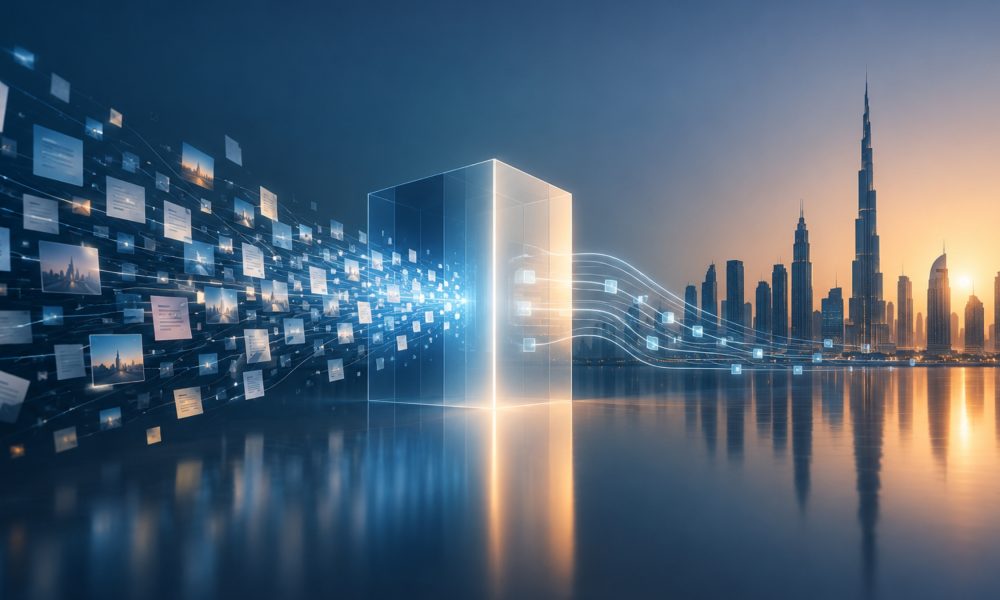
The UAE doesn’t need more storage, it needs an intelligence and orchestration layer that turns unstructured data into business value.
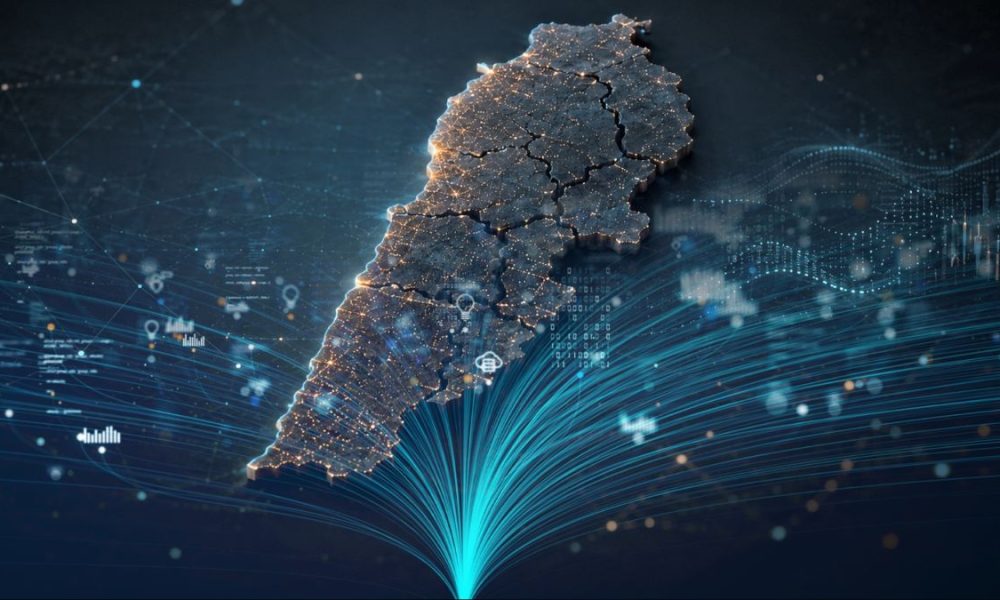
Lebanon does not suffer from a complete absence of data, but from scattered information across its ministries, utilities, companies, hospitals,NGOs, and digital platforms.
FinRadar turns fragmented filings into usable intelligence after its founder’s biotech losses exposed the limits of traditional due diligence.
Inside Telecom covered LEBTECH 2026, where technology is becoming more than a domestic recovery and more toward exportable modernization.
Self-Organizing Networks (SON) have automated a meaningful share of RAN configuration, healing, and optimization work for over a decade.
Gleb Tsipursky, PhD, is a behavioral scientist and CEO of Disaster Avoidance Experts, called the “Office Whisperer” by The New York Times. He is regularly featured in Harvard Business Review, Fortune, and Forbes. His new peer-reviewed Georgetown University Press book, The Psychology of AI Adoption at Work, examines the psychological factors that determine whether AI projects succeed or fail.
