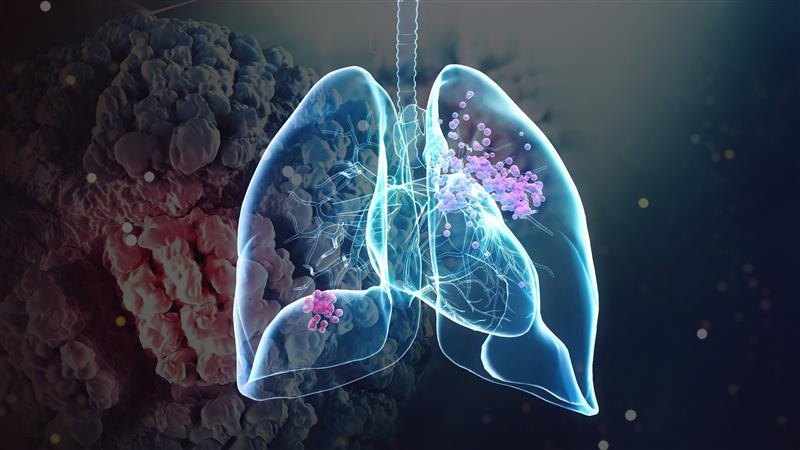
In London, the NHS is conducting a new program using AI in cancer research to detect critical cancers earlier. Patients would receive quicker, more precise diagnoses, reduce invasive procedures and improve treatment outcomes across the country.
Combining AI software with robotic tools, clinicians will speed up diagnosis and enhance accuracy. Experts say these innovations ensure AI in cancer research benefits patients everywhere, with just and faster treatment.
Robotics and AI In Cancer Detection
Patients with expected lung cancer can now benefit from a pilot program at Guy’s and St Thomas’ NHS Foundation Trust. AI software rapidly scans lungs to indicate small nodules that might be cancerous, while a robotic bronchoscope guides biopsy tools deep into the airways with precision.
“When I was diagnosed with kidney cancer, the NHS saved my life using robotic technology,” says Wes Streeting, Secretary of State for Health and Social Care, UK Government.
“Lung cancer is one of the biggest killers in the UK, taking an extra year of people’s lives in the poorest parts of the country. This pilot will help to catch it earlier, replacing weeks of invasive testing with a single targeted procedure.”
Medical Director for Cancer and Surgery at Guy’s and St Thomas’, Dr Anne Rigg explained that through combining AI in lung cancer diagnosis with highly precise robotic biopsy, delays are decreasing.
“Crucially, this work is being co-designed with patients and frontline clinical teams, ensuring that the pathway is not only faster, but safer, more equitable and centred on the patient experience,” she confirms.
For many, weeks of scans and procedures could be replaced with a single, precise biopsy. The integration of AI in cancer diagnostics and robotics shows how AI in detecting cancer can transform patient outcomes.
Building a Smarter, Fairer NHS
The pilot is part of a national push to expand lung cancer screening and improve AI in lung cancer programs.
“These initiatives mean that more people affected by this disease will be picked up earlier, be diagnosed faster and so have a better outcome from treatment,” Dr Jesme Fox from the Roy Castle Lung Cancer Foundation said
Generative AI is also being explored across the NHS for AI used in cancer detection and other applications, improving diagnostics, patient care, and hospital efficiency.
Flann Horgan, Vice President of Healthcare at NTT DATA UK&I, highlights the ethical and secure use of AI in cancer research. This is central to the mission to build a smarter, healthier society. For him, responsible innovation is key.
Patients like David Lindsay show the human impact. Early identification through AIin early cancer detection and robotic biopsies can turn weeks of uncertainty into rapid, precise treatment.
AI in healthcare is becoming indispensable, including early detection of cancer AI in lung cancer. These technologies promise faster diagnoses, fairer access, and better outcomes.
Inside Telecom provides you with an extensive list of content covering all aspects of the Tech industry. Keep an eye on our Medtech section to stay informed and updated with our daily articles.