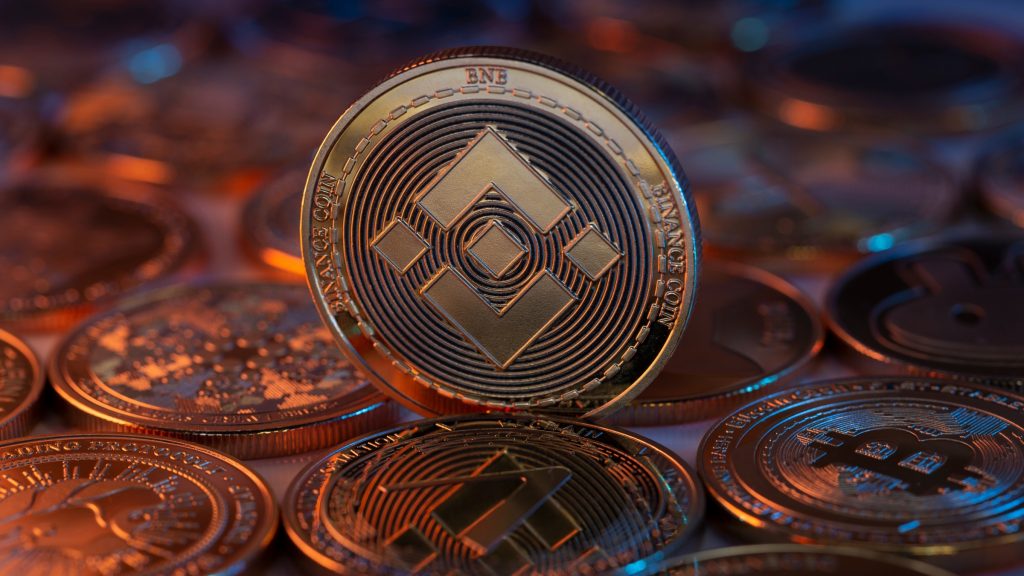
On September 21, US federal prosecutors reported to be investigating Binance Iran sanctions violations after a $61 million crypto case linked Iranian oil sales to digital assets, showing how blockchain records are becoming central to tracing sanctioned money, according to Bloomberg.
Manhattan US attorney’s office is leading the investigation with the Justice Department’s (DoJ) criminal division also involved.
According to Bloomberg reporting cited by Reuters, investigators are examining whether Binance knowingly allowed activity that should have been blocked under US sanctions. As of time of writing, no charges have been filed, and a federal investigation may not necessarily result in prosecution.
The sanctions investigation is testing whether digital finance is giving sanctioned networks faster ways to move money than regulators can identify and stop.
Binance Compliance Scrutinized
Centering the Binance Iran sanctions story are two Chinese companies prosecutors, Blessed Trust and Hexa Whale, which admitted used Binance accounts in the UAE to move Iranian oil proceeds.
In February, reports said internal Binance compliance investigators raised concerns about around $1.7 billion in payments from the two companies to wallets allegedly connected to sanctioned Iran-backed entities, including Yemen’s Houthis.
The complaint shows how cryptocurrency Iran sanctions cases can involve the conversion of ordinary currency into digital assets. Blessed Trust allegedly helped convert fiat money into cryptocurrency, including through US-based crypto issuers, before funds were transferred between blockchain addresses.
Prosecutors identified a group of linked, unhosted wallets as “Entity A.” Unlike an exchange account, an unhosted wallet is controlled directly by whoever holds its private keys.
Entity A allegedly sent cryptocurrency to money-service businesses and addresses linked to the Islamic Revolutionary Guard Corps (IRGC). Prosecutors argue this formed part of a wider system of Iran using cryptocurrency to evade sanctions.
Entity A apparently received and distributed more than $1.5 billion in Iranian oil proceeds.
The matter is important to the Binance Iran crypto investigation because blockchain analysis can identify connections between wallets, even before authorities know exactly who controls them.
The issue goes beyond Iran accepting Bitcoin. Much of the alleged network relied on stablecoins, such as USDT, designed to maintain a value close to the US dollar and can provide the speed of blockchain payments without Bitcoin’s large price swings.
“As alleged in the complaint filed today, the Government of Iran used a network of cryptocurrency actors in China and elsewhere to launder more than $1.5 billion in illicit oil money intended to benefit the Iranian military and the terror-designated IRGC,” said Deputy US Attorney, Sean S. Buckley.
Sanctions Enforcement Moves Toward Algorithms
Crypto allows funds to move outside many traditional banking channels, while blockchain technology gives authorities large amounts of transaction data to analyze.
Prosecutors filing a civil forfeiture case seeking $61 million in cryptocurrency from black-market Iranian oil and petroleum sales adds context to the new probe.
Therefore, Binance Iran sanctions investigation raises a different question. How effectively can exchanges identify sanctioned money when funds pass through layers of wallets, companies and intermediaries?
Binance operates a centralized exchange, meaning it holds customer records and can connect some blockchain addresses to real accounts.
That gives regulators a point of control within a financial system designed to move digital assets quickly across borders. This is why US cryptocurrency sanctions Iran enforcement is increasingly dependent on technology.
“We fully cooperate with law enforcement, and we remain committed to rooting out and shutting down bad actors,” said Binance, highlighting that it maintains a zero-tolerance policy for sanctions violations.
The challenge behind Binance Iran sanctions access is that sanctioned organizations do not need to transfer assets directly from a known wallet.
The broader Iran cryptocurrency sanctions strategy reflects that change. Enforcement is moving toward blockchain analytics, automated screening and systems that assign risk to wallets.
Meanwhile, questions around Iran cryptocurrency mining sanctions evasion add another layer because digital assets can enter circulation and move internationally without following the same banking infrastructure governments traditionally monitor.
But Iran accepting Bitcoin or other digital currencies does not automatically make transactions invisible. Public blockchains preserve transaction histories, giving investigators the ability to rebuild movements long after a transfer occurs.
That creates an unusual weakness for sanctions of evasion. Additionally, the financial system may be decentralized, but much of its activity is permanently recorded.
The second US cryptocurrency sanctions Iran challenge is therefore speed.
“Today’s complaint demonstrates the FBI’s ability to follow the money, root out illicit schemes, and halt the stream of cryptocurrency to any government attempting to evade sanctions or committing terrorist activities,” said FBI official, James C. Barnacle Jr.
“By cutting off funds raised by the black-market sale of crude oil, the Iranian military and terrorists are weakened.”
That tension sits at the heart of cryptocurrency Iran sanctions enforcement. The Binance Iran crypto probe will test whether those tools can keep pace. Decentralized networks can move assets across borders within minutes, while governments increasingly answer automated blockchain tracing and wallet-risk models.
The final Binance Iran sanctions question is therefore larger than one exchange. The case suggests sanctions of enforcement are entering an algorithmic phase, where one side uses digital networks to move money, and the other uses data analysis to identify those movements faster
Inside Telecom provides you with an extensive list of content covering all aspects of the Tech industry. Keep an eye on our Cryptocurrency section to stay informed and updated with our daily articles.