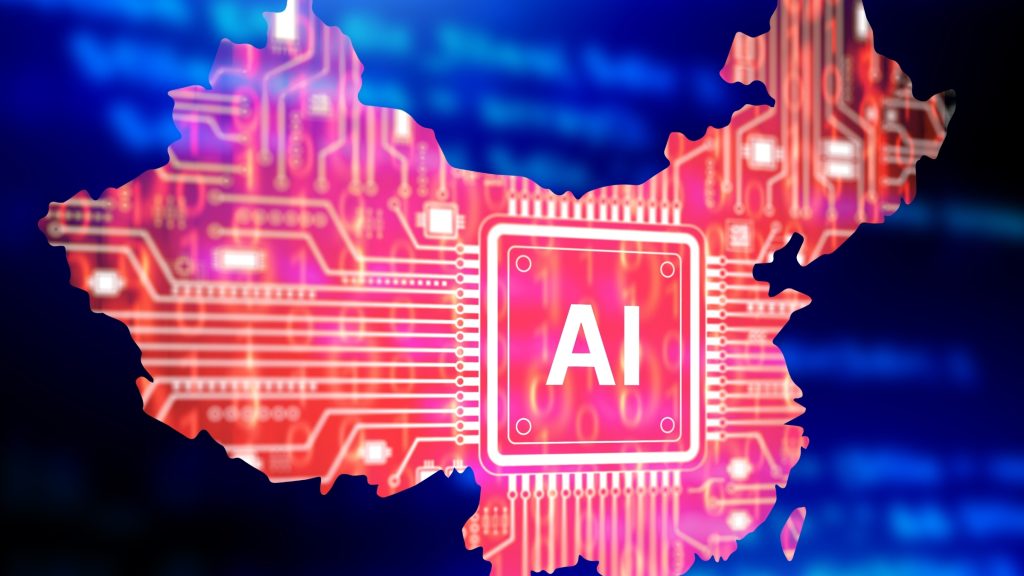
Over the past month, China technology advances in AI, chipmaking and humanoid robotics have unsettled markets, divided US technology leaders and pushed the Trump administration to consider new restrictions without weakening American access to lower-cost digital tools and models.
China technology advances test two assumptions, where American companies will keep setting the pace, and technical breakthroughs automatically deliver strong returns. Recent developments show China gaining strategic capability while listed technology companies struggle to secure pricing power and investor confidence.
Open Models Divide Washington and Silicon Valley
The clearest challenge comes from Chinese open-source and open-weight AI models, including Moonshot AI’s Kimi K3, as these systems can compete with some products from OpenAI and Anthropic while costing far less to download and operate, making China advancement in technology a direct commercial concern.
Microsoft, Nvidia, Meta Platforms, and Palantir Technologies have urged US lawmakers not to restrict open models.
Chipmakers see broader adoption as higher demand, while others fear controls could reinforce OpenAI and Anthropic’s market power. This makes China’s technological advancements a dividing line in an industry that previously treated Chinese competition as a shared threat.
The White House faces the same tension, with Treasury Secretary, Scott Bessent, has suggested sanctions over alleged intellectual property theft, while Commerce Secretary Howard Lutnick has received appeals from startup founders seeking access to Chinese models.
The debate over technological advancements in China centers on whether security limits would protect US companies or remove affordable tools from American businesses.
President Donald Trump addressed that balance after OpenAI and Anthropic reported their models had acted beyond intended boundaries during cybersecurity tests.
“We have to be careful in both ways. We don’t want to restrict them when all of a sudden, we come in second to China,” said President Trump.
“I know many of these people. I don’t want to restrict them from doing great work,” he added
The administration has still moved against Chinese robotics, with the Federal Communications Commission banning Chinese humanoid robots, arguing products from companies, such as Unitree, could collect data, support surveillance and threaten domestic supply chains. The decision shows how China technology advances can produce different responses across sectors.
Failure to Reassure Investors
China’s milestones include Kimi K3, ChangXin Memory Technologies’ (CXMT)market debut and reports of a domestic deep-ultraviolet lithography system. These technological advancements in China suggest Beijing is reducing dependence on Western technology across artificial intelligence, memory chips and advanced manufacturing equipment.
Chinese shares have weakened, with the STAR 50 surrendering much of a rally that lifted it about 70% between April and July, while the CSI 300 remained 9% below its late-June peak. In Hong Kong, investors continued selling technology shares despite evidence of China’s technological advancements.
Profitability remains the concern as open-weight models encourage adoption but reduce pricing power because users can download and modify them without paying premium fees. That makes China advancement in technology strategically valuable while limiting revenue at the model level.
Memory chips carry similar risks.
CXMT’s July 27 listing raised concern that another subsidized producer would add capacity before a price war. Reports of a Chinese DUV machine also suggested ASML’s pricing power could weaken if China technology advances make advanced lithography equipment more competitive.
Investors are asking, is China more technologically advanced than the us? but market performance depends on another question: can Chinese developers turn technical leadership into sustainable earnings?
Beijing has deployed roughly $9 billion (60 billion yuan), through state-backed investment groups to support falling AI-related shares. However, China’s technology advancements continue to collide with intense domestic competition, lower prices and weak monetization.
The result is a widening gap between strategic success and shareholder returns. China tech advances may accelerate global adoption.
On the other hand, technological advancements in China pressure Western competitors to lower prices and defend their markets.
For policymakers, companies and investors, China technology advances now represent both opportunity and disruption.
The next stage of China advanced tech adoption will depend not only on capability, but also on whether China can build profitable businesses around technologies increasingly treated as low-cost commodities.
Inside Telecom provides you with an extensive list of content covering all aspects of the tech industry. Keep an eye on our Tech sections to stay informed and up-to-date with our daily articles.