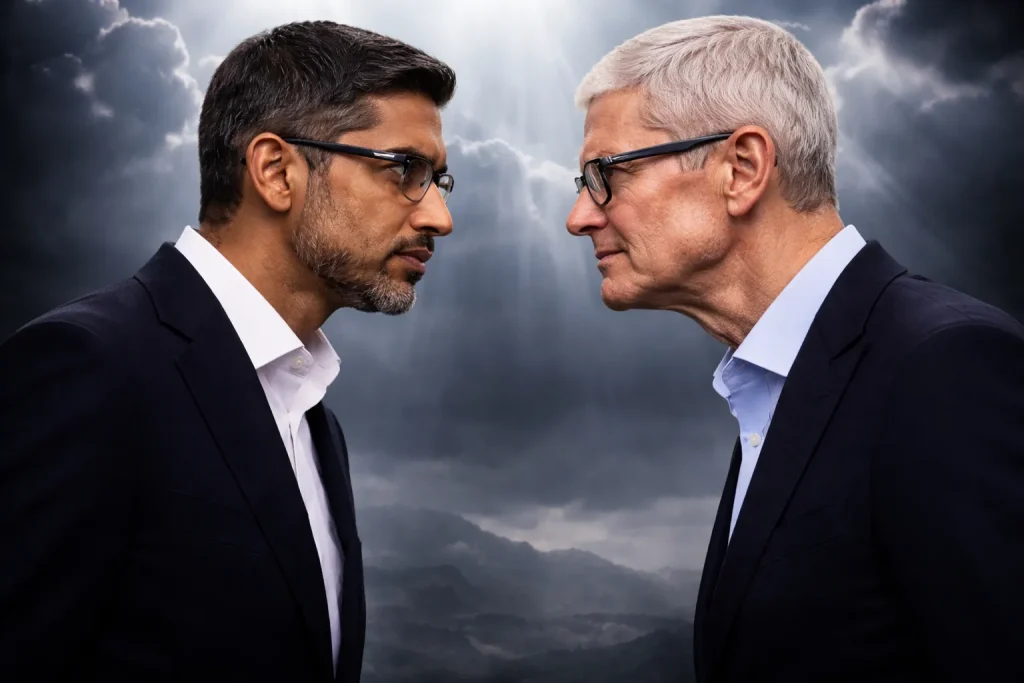
The digital payments landscape across the Middle East is evolving at an unprecedented pace, and yet one of the world’s most influential technology companies is noticeably missing from the transformation. While Google Pay has expanded aggressively, launching in Lebanon and now exploring the possibility of entering the Syrian market, Apple Pay remains absent, leaving millions of iPhone users in the region frustrated and increasingly vocal about the gap.
In Lebanon in particular, digital payments are no longer a luxury. They have become a vital necessity. With rising incidents of fraud, theft, and decreasing trust in the traditional banking sector, users want secure cashless alternatives that eliminate the need to carry physical cards. Google Pay delivered exactly that. Android users today enjoy seamless tap-to-pay experiences, while iPhone users, despite paying premium for their devices, remain excluded from the same convenience and security.
This is particularly puzzling given the nature of the Lebanese market. Lebanon is one of the most Apple-dominated countries in the Middle East. Estimates indicate that iPhone users make up roughly 45% of the country’s smartphone market, with even higher penetration among younger demographics. Despite the country’s economic challenges, Apple products remain status symbols widely used, highly trusted, and deeply integrated into daily life. To overlook such a substantial and loyal user base is not only illogical but damaging. The impact is more serious than Apple may realize. Many long-time iPhone owners have already switched to Android purely to gain access to Google Pay. For a brand built on loyalty and a premium ecosystem, this shift is alarming. It signals a growing gap between what Apple promises and what it actually delivers in certain markets.
Google’s strategy has been remarkably simple: if a market supports Mastercard or Visa, Google Pay should be present. Whether the economy is large or small, stable or volatile, Google prioritizes accessibility. This approach has positioned it as the undisputed leader in digital payments across emerging markets. Apple, meanwhile, appears increasingly cautious, absent, and unresponsive; a surprising stance for a company that once prided itself on being future-focused and user-obsessed.
What frustrates users even more is Apple’s silence. The company has offered no official statement explaining why Apple Pay is still unavailable in Lebanon or Syria. No timeline, no updates, no acknowledgment of user concerns. As a trillion-dollar company with millions of devoted customers in the region, Apple owes its users transparency. Instead, people are left speculating about the obstacles whether regulatory, technical, or simply a lack of priority.
Within telecom and financial-technology circles, there are growing whispers that Apple is reassessing its entire Apple Pay strategy. Some insiders suggest that the company may even bring in former Google specialists to restructure the division, particularly as Google continues to outpace Apple across multiple new markets. Apple Pay’s reputation, once considered cutting-edge, now risks appearing slow, selective, and outdated, especially when compared to Google’s bold expansion. Apple is also missing out on something it values deeply: data. Each new market Apple Pay enters strengthens Apple’s ecosystem through behavioral insights, transaction patterns, and user engagement analytics. By delaying entry into Lebanon and similar markets, Apple is effectively handing this advantage to Google, which is rapidly accumulating user trust and digital-payments dominance.
Apple can no longer treat this issue as a minor delay. It has become a symbol of how global tech giants sometimes overlook smaller markets even when those markets are among their strongest in terms of brand affinity. Meanwhile, Google is strengthening its relationship with users through accessibility, responsiveness, and a commitment to presence, regardless of geography.
The question now is whether Apple will respond. Will Tim Cook intervene to address what users increasingly see as an unnecessary and embarrassing gap? Will Apple finally explain its absence with transparency or continue to remain silent while Google earns loyalty and headlines? Apple still has the power to correct course. But every month of delay pushes more users away and reinforces the perception that Google is the true leader in digital payments. For Apple, a company built on experience and ecosystem, that is a risk it can no longer afford to ignore.