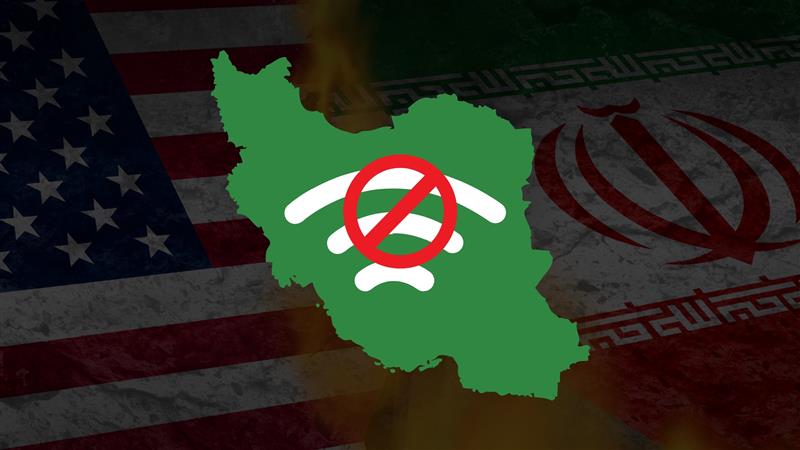
The US State Department is launching an open-source application, ‘Freedom.gov,’ designed to provide freedom internet globally, led by Secretary of State Marco Rubio, and will grant users in restricted regions the same uncensored web access available in the US.
As many nations tighten their grip on the virtual world, the initiative comes at a vital moment for digital rights and personal privacy. The need for a reliable bridge to the outside world has never been more urgent for those living under heavy surveillance.
By focusing on privacy and easy use, the platform will support those living in countries with censored internet. Officials believe that providing these tools is essential for maintaining global democratic values in the 21st century.
Breaking the Digital Silence
Freedom.gov’s tech is built on a total privacy and user safety foundation and unlike traditional browsers that may leave digital footprints, this app does not log IP addresses, browsing history, or device identifiers.
“In the interest of total transparency, we made Freedom.gov completely open source. But we also made it completely anonymous,” said a State Department official.
The level of protection the app delivers is vital for people in countries that censor internet traffic through sophisticated monitoring systems because the app offers a security that traditional tools lack.
It is designed to be a “one-click” solution for both mobile and desktop users.
In Iran, where authorities recently initiated a severe shutdown following national protests, the absence of open air internet has been used to control information.
“No one, including us, can track or identify you,” the State Department confirmed.
By interfering with core protocols like the Domain Name System (DNS), regimes ensure that dedicated internet access denied to the public becomes a tool of state power. Technical interference makes it nearly impossible for the average citizen to reach news sites, or even social media.
Freedom.gov seeks to reroute this traffic through secure, encrypted paths.
Even though Starlink has offered to provide a lifeline for the internet’s blackout, that lifeline often requires physical hardware that can be detected or seized by authorities. The new app offers global secure access, internet access that is purely software-based, making it harder for local police to find.
Does Freedom of Speech Apply to the Internet?
The consensus among Human Rights Organizations is that the right to express oneself is “platform neutral,” meaning it applies to digital spaces just as it does to physical ones.
But the reality is much harsher for activists who find that there is no internet access secured when they need it most.
International law suggests that freedom internet is a basic human right, yet enforcement remains a challenge.
In the absence of open air internet, governments often argue that national security justifies silencing their citizens. We see this currently in Iran internet blackout, where new laws classify sharing media with hostile states as a capital offense.
Considering there is often no open air wireless internet available, the digital space becomes a danger zone for those seeking the truth. This lack of infrastructure forces citizens to rely on state-controlled networks that are monitored 24/7. Freedom.gov provides a way to exist on these networks without being detected.
The goal of the freedom internet is to close the gap between legal rights and technical reality. Even as countries with censored internet use signal jamming to block satellite links, the spirit of free speech remains a priority.
Software that can bypass internet censorship allows individuals to reach the global community without fear of local repercussions. By providing freedom internet to those in need, the app acts as a digital shield against repression.
Maintaining freedom internet is an ongoing battle against increasingly sophisticated state tools. When people live in countries that censor internet content, they lose their connection to the truth and the outside world.
As long as the absence of open air internet is used to hide human rights violations, these tools will remain a necessity for global democracy. According to Secretary Rogers, the project honors free expression.
Inside Telecom provides you with an extensive list of content covering all aspects of the tech industry. Keep an eye on our Tech sections to stay informed and up-to-date with our daily articles.