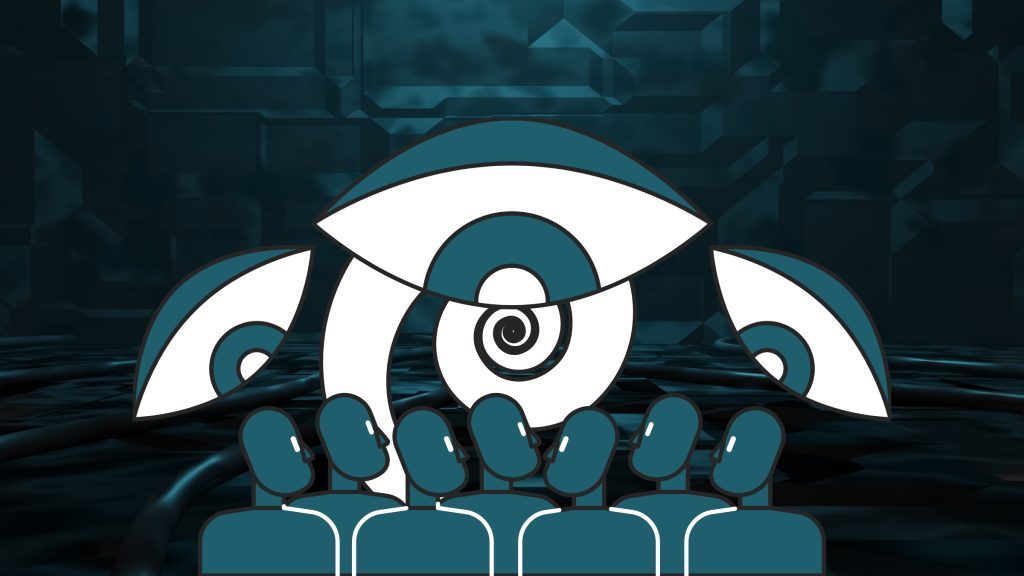
Social media infiltrates nearly every moment of daily life, shaping thoughts, behaviors, and future opportunities, yet with AI, privacy concerns, addictive interfaces, and the aftermath of social media and radicalization, students and users face both empowerment and unintended consequences.
TikTok, and WhatsApp offer instant connection and educational opportunities, and the constant monitoring of personal data raises ethical questions. Students are forced to navigate an increasingly complex landscape, balancing convenience with awareness amid rising social media polarization.
“When it’s made clear that I’m sharing data, I usually try to opt out or consider alternative services. The challenge is that many of these services and platforms feel essential or are more popular than the alternatives.
“As a result, I often find myself continuing to use the same services despite their data collection and privacy practices,” said Information science senior Andrew Hott.
Radicalization And the Use of Social Media
Meta, Instagram’s parent company, announced that end-to-end encryption (E2EE) for DMs will be removed on May 8, a change that has sparked concern among users. E2EE encrypts messages as they are sent, protecting them from unauthorized access, but Meta’s push for AI-driven features—like the Meta AI summarizer—complicates privacy further, highlighting algorithmic radicalization effects.
The summarizer highlights what users may have missed in their conversations, appearing as a glowing blue and purple orb in DMs. Some critics warn that social media algorithms and radicalization are intertwined.
With automated recommendations potentially accelerating online self-radicalization.
International relations sophomore Grace Sliwka drew parallels between social media and radicalization and their changes in classic dystopian literature.
“Ray Bradbury showed me a world where people stopped reading because they preferred speed over substance, and today, when summaries and shortcuts often seem to replace actual books, many students adapt these practices for the simple ease of it. This trade-off of critical thought for convenience will have consequential effects on the function of society because people just won’t think for themselves anymore,” Sliwka said, highlighting the dangers of radical social media, social media indoctrination.
Social Media and Radicalization Locking People In
Despite privacy issues, social media remains a powerful tool for growth, networking, and education, though its darker side includes virtual grooming, adding to it also accelerated radicalization online.
“I noticed this with iMessages, and I feel like summaries on messages are a little unnecessary … I don’t necessarily feel unsafe and fear that my messages will be used to exploit my personal information. It is a bit more concerning with Instagram, since Meta openly uses our personal data to target ads and tracks our information across platforms and websites,” said Civil engineering senior Kylie Camman.
Yet, the negative side persists in addiction, stress, low self-esteem, and the spread of misinformation. Social media polarization has intensified divisions.
While social media and political polarization shape the way students and young users interpret information, online radicalization can emerge when users are repeatedly exposed to extreme content.
Social media and radicalization also remain at persistent risks for vulnerable audiences. Social networking itself is neutral, and its impact depends on its use. As the digital landscape evolves, students must prioritize mindful engagement, balancing real-life goals with the convenience and educational opportunities that platforms provide.
In the end, social media is a double-edged sword; it can empower or endanger, educate, or distract. Awareness, thoughtful use, and critical engagement will determine whether technology serves as a tool for growth or a trap of convenience amid ongoing concerns about online radicalization.
Inside Telecom provides you with an extensive list of content covering all aspects of the tech industry. Keep an eye on our Community section to stay informed and up-to-date with our daily articles.