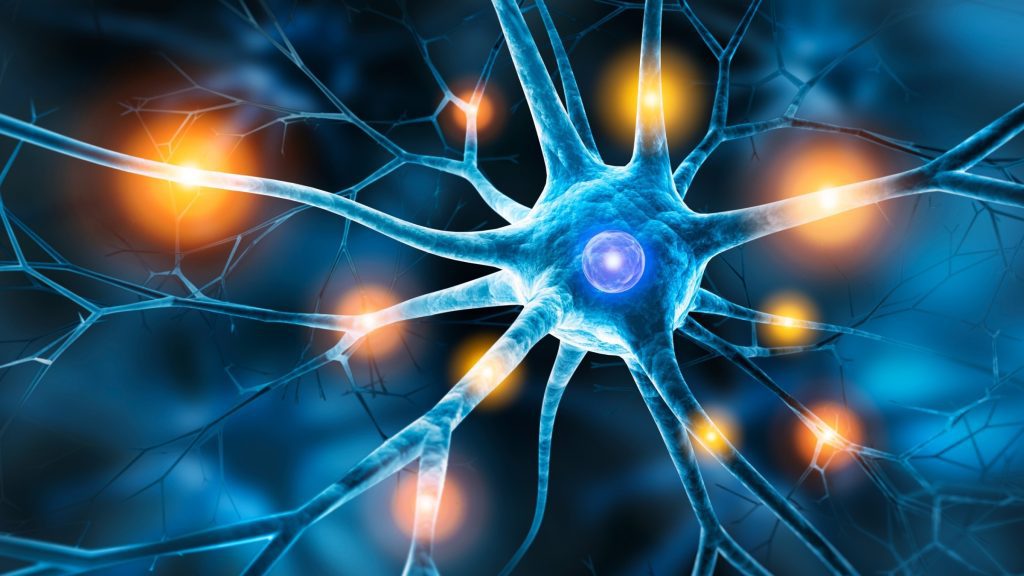
Researchers at MIT and the Billion Cells Project uncovered AI tools that can track the entire life cycle of individual cells with extreme precision, through advanced machine learning to synthesize volumes of datasets for see the behavior of a single cell biology across time and space.
Researchers are changing how we understand single cell biology and disease progression through the integration of multimodal analysis and tracking. The future will move away from isolated snapshots toward a continuous observation of cellular behavior.
By teaching machines to see what human eyes might miss, scientists have uncovered the secret activities happening within our cells, where a single cell isolation and analysis give medical research precision where no detail is missing when moving from a tissue sample to a digital model.
Machine Learning Integrated Analysis of Multimodal Single Cell Data
To understand where a disease starts, biologists usually measure proteins or gene activity. Now, with a new advanced format of AI single cell biology analysis, identifying patterns is not just more accurate, but also targeted.
In the past, these measurements were often handled separately, making it difficult to see how they all fit together. The implementation of AI in molecular biology identifies patterns that connect different layers of information.
The new AI framework, developed by experts at the Broad Institute of MIT and Harvard along with ETH Zurich, is changing that as the technology can look at a cell and assess which information is shared across different tests, and which details are exclusive to just one.
“When we study cells, one measurement is often not sufficient,” said lead author, Xinyi Zhang. “By putting the information from all these measurement modalities together in a smarter way, we could have a fuller picture of the state of the cell.”
By organizing cellular data like a Venn diagram – a visual tool- AI helps scientists see the complete picture of cellular interactions through singe cell bioinformatics, a powerful tool in the biological landscape.
This field combines biology and computer science to organize the vast amount of information found within a cell. It’s essential for tracking diseases like Alzheimer’s, and the field of single cell biology is evolving to meet these challenges.
Tracking Life’s Journey
When single cell isolation and analysis become faster, medical technology researchers will be able to track a cell’s entire life story through time-lapse imaging.
North Carolina State University scientists developed an algorithm, Frame Interpolation Enhanced Single-cell Tracking (FIEST), to watch cells grow and divide. The algorithm pushes the boundaries of AI single cell biology by letting computers predict their movement between frames of a video.
The level of detail the new AI provides is essential for single cell data analysis, as it ensures that the data collected over several days remains attached to the correct individual cell.
“We have accelerated the analysis of living cells to a point we only could dream of four years ago,” says the project lead Orlando Arguello-Miranda.
This continuous monitoring is the core of single cell biology, helping scientists understand why some cells survive treatment while others do not. The framework is also compatible with single cell long read sequencing, providing a deeper look at complex genetic structures.
The use of machine learning in cell biology makes medical predictions more accurate. Additionally, advanced single cell sequencing data analysis is helping researchers find ways to restore diseased cells to health.
Using contextual AI models for single cell protein biology, makes precision medicine a reality. We are reaching the point where scientists are moving closer to a future where every patient receives a treatment plan as unique as their own DNA.
Ultimately, the integration of AI single cell biology acts as a powerful lens, bringing the hidden mechanics of our bodies into focus. While technology continues to evolve, the study of single cell biology remains the essential foundation, proving that the smallest units hold the biggest answers to human health.
Inside Telecom provides you with an extensive list of content covering all aspects of the Tech industry. Keep an eye on our Medtech section to stay informed and updated with our daily articles.