
On Friday, during the Munich Security Conference Eurelectric urged EU leaders to evaluate the energy infrastructure after cyber and physical attacks linked to the Russia-Ukraine war, exposed Europe’s electricity networks fragility as security threats take new forms.
The EU’s power systems are no longer restricted within the limitations of economic assets, but have become pillars of public safety, transport, healthcare, and defense.
A coalition of industry leaders’ warnings have become the Union’s sobering awakening, demanding a complete reassessment of its security readiness, mirroring the fragmentation and supply chain dependencies that have long plagued European military capabilities.
Experts are demanding their governments to evaluate the energy infrastructure with the same urgency used to protect borders and military systems.
A Grid Under Pressure
There needs to be a fundamental shift in how European security is defined. There needs to be a complete pivot to take the EU’s energy foundation beyond traditional borders to include Integrated Power Systems (IPS) physical – and digital – resilience.
Or at least these were the undertones of urgencies from Eurelectirc and energy stakeholders’ warnings.
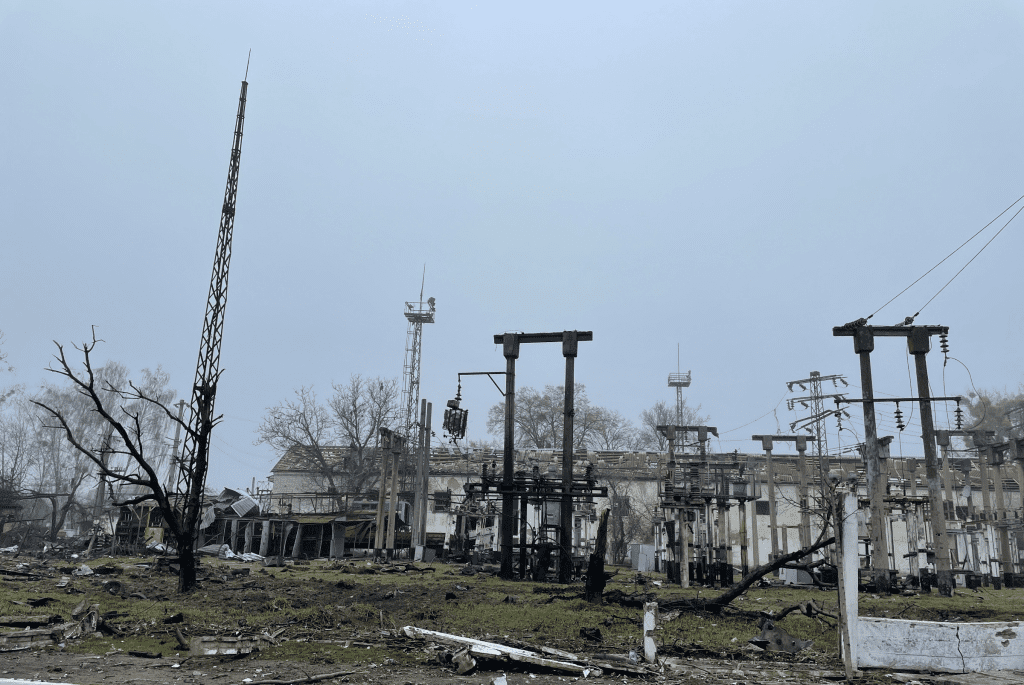
The warning delivered at the security conference has security officials and industry leaders addressing Europe’s energy infrastructure and emphasizing it is under steady pressure from sabotage, cyberattacks, and false information campaigns that have increased since Russia began its attacks on Ukraine’s power systems.
“We live in a new reality of increasing threats. This requires a fundamental shift in our mindset,” the electricity industry’s Eurelectric president Markus Rauramo said.
A new industry report states energy infrastructure companies now operate in an environment where the line between peace and crisis is fading. To respond, firms are being urged to evaluate the energy infrastructure so they can detect threats earlier and recover faster after disruptions.
The study also warns that critical energy infrastructure has become a main target of modern hybrid warfare. In 2024, at least 11 attacks damaged key power assets and targeted Europe’s energy sector.
Early 2026, about 45,000 homes in Berlin were left without electricity after high-voltage lines were damaged by fire. Eurelectric said energy infrastructure companies must be better prepared to keep supplies stable during crises.
Energy Infrastructure Solutions
As Europe expands solar and wind power, inverters have become essential parts of the clean energy infrastructure. The devices permit renewable electricity to enter the grid and keep systems stable.
However, most inverters used in Europe are produced in China, creating new security concerns. Last year, the European Commission was urged by lawmakers to limit foreign access to critical energy infrastructure because of cybersecurity risks.
Industry leaders say Europe must evaluate the energy infrastructure before deeper digital risks take hold. They are also calling for major energy infrastructure upgrades to improve system safety and reliability.
Experts believe smarter energy infrastructure procedures are essential to monitor networks and detect threats in real time. On a security level, NATO is now working with EU energy ministers.
“We’re worried seeing the Russian industry more entangled with China as well as its ties with Iran and North Korea. It’s time to shift to a more war mindset,” said NATO ‘s deputy secretary general.
Their cooperation is focused on protecting critical energy infrastructure from physical and cyber-attacks.
To strengthen resilience, the report urges new energy infrastructure investments in secure equipment and local supply chains.
It also highlights the need for stronger alternative energy infrastructure to reduce dependence on foreign technology and energy systems. Eurelectric says Europe must act now to evaluate the energy infrastructure if it wants to keep the lights on in a more dangerous world.
Inside Telecom provides you with an extensive list of content covering all aspects of the tech industry. Keep an eye on our Tech sections to stay informed and up-to-date with our daily articles.