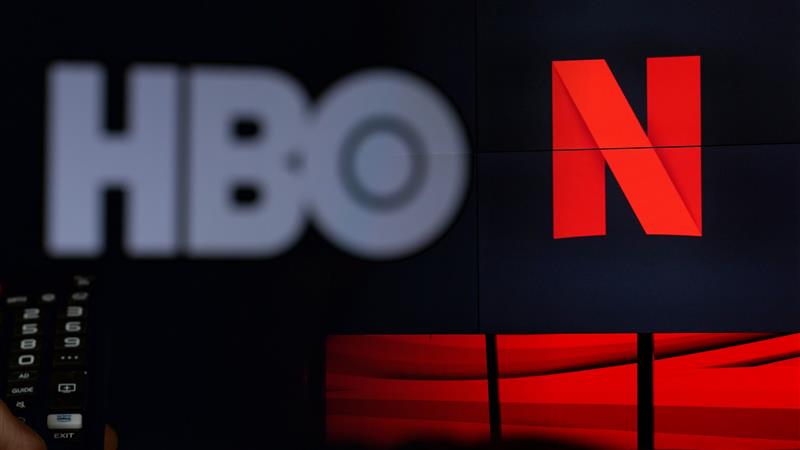
When Netflix decided to buy Warner Bros. Discover and HBO in a $82.7 billion deal in the US, it became one of the most intense Netflix acquisitions with many contradictory opinions as the streaming giant moves into platform-level control.
The deal is not just about owning shows or studios, but who controls the screen and content itself. With HBO under its roof, Netflix will gain more power to restrict TVs’ work, content, in other terms, the time of Netflix monopoly has begun.
This shift reflects a deeper Netflix acquisition strategy designed to control not just content, but how audiences access it, questioning the freedom of choice.
Is Netflix Buying Warner Bros?
The deal is closed, and Netflix executives insist HBO will “operate largely as it is” after. But industry experts see a clear path toward deeper integration, guided by the long-term Netflix acquisition strategy.
“This is the kind of thing we would want to sort out,” Netflix co-CEO Greg Peters said, when asked about the future of HBO Max. “We can make a win-win, we can make a better product for consumers, lower price ultimately, and it works better for the business.”
The scale of this move matters. HBO owns some of the most trusted titles in television, including “Game of Thrones,” “The Sopranos,” “Succession,” and “The White Lotus.” Combined with Netflix’s reach in over 190 countries, this becomes a defining moment in Netflix acquisitions.
“Integrating the HBO brand would allow Netflix to separate the most premium end of its content from everything else, and eventually that is likely to live under a separate, HBO-branded hub within the platform,” said Fred Black, research director at Ampere Analysis, that explained how the tech could evolve.
That structure mirrors the broader Netflix content acquisition model, where premium brands are absorbed and reorganized inside a single ecosystem rather than allowed to remain fully independent.
Netflix already holds unusual power over smart TVs. Almost every remote includes a Netflix button, enforced through strict certification rules that manufacturers must follow to carry the app, turning Netflix acquisitions into leverage rather than just expansion.
According to UniqCast, a company that helps operators integrate streaming apps, Netflix requires its app to be placed “as the first item in the rail on the initial launcher screen, with a fully visible icon and adherence to Netflix brand guidelines.”
TV makers comply because Netflix controls around 19% of all streaming in North America. Shipping a TV without Netflix would be a “commercial suicide” as an industry insider told The Verge.
By adding HBO to this system, the pressure increases. Samsung, Roku, Apple, and Google TV will struggle to promote rival services if Netflix controls both the most-used app and the most-watched premium content. That is the core risk of Netflix acquisitions at this scale.
“Inside Netflix, HBO becomes a studio label, not an operating channel — like Fox inside Disney and specifically FX and Nat Geo inside Hulu/Disney+,” Evan Shapiro, a veteran TV producer, summed it up clearly.
This approach follows the company’s past playbook, rooted in its Netflix mergers and acquisitions history, where acquired brands lose platform independence but gain reach inside the system.
Netflix already blocks smart TV platforms from fully accessing its data; shows do not appear in Google TV recommendations and cannot be added to Roku’s universal watchlist. Voice searches often redirect users straight into the Netflix app.
If HBO is folded into Netflix, the same rules will apply. HBO titles would disappear from shared discovery systems, turning Netflix acquisitions into a way to close the system rather than open it.
“Everything should be going back to the mothership, and the mothership is Netflix,” said. Andy Goldman, HBO’s former vice president of programming strategy,
This focus is driven by Netflix content acquisition, where ownership of content directly shapes user behavior instead of competing on equal footing. The deal also fits a broader Netflix content acquisition strategy aimed at reducing reliance on third-party platforms while increasing control over distribution.
Netflix Acquisitions Lead to Monopoly
Netflix argues that the merger is consumer-based.
“The Warner Bros. Discovery Board reinforced that Netflix’s merger agreement is superior and that our acquisition is in the best interest of stockholders,” said Ted Sarandos, Netflix co-CEO.
Critics perceive this issue as power seeing that when a single company controls the ‘must-watch’ segment of content and how TVs present that content, freedom of choice quietly wears down. It’s another reason as to why regulators are now scrutinizing the Netflix warner bros transaction in the US and Europe.
The concern is not just size, but whether Netflix is becoming the gatekeeper of modern television. The Netflix warner bros deal also raises alarms for rivals like Disney+ and Paramount+, which depend on fair access to smart TV systems to compete.
Paramount has already challenged the transaction, as Netflix purchasing warner bros assets while maintaining strict control over hardware partnerships.
Earlier filings show Netflix rumored to be considering buying warner bros. discovery long before the deal became public, highlighting years of planning rather than a sudden move.
At its core, this is not just another unification. It is a shift in how the entertainment industry works. With HBO inside Netflix, Netflix content acquisition strategy becomes a tool for controlling screens, not just stories.
If approved, the merger could mark the moment Netflix stops being a streaming app and starts acting in a monopolistic way like the operating system of TV itself.
Inside Telecom provides you with an extensive list of content covering all aspects of the tech industry. Keep an eye on our Tech sections to stay informed and up-to-date with our daily articles.