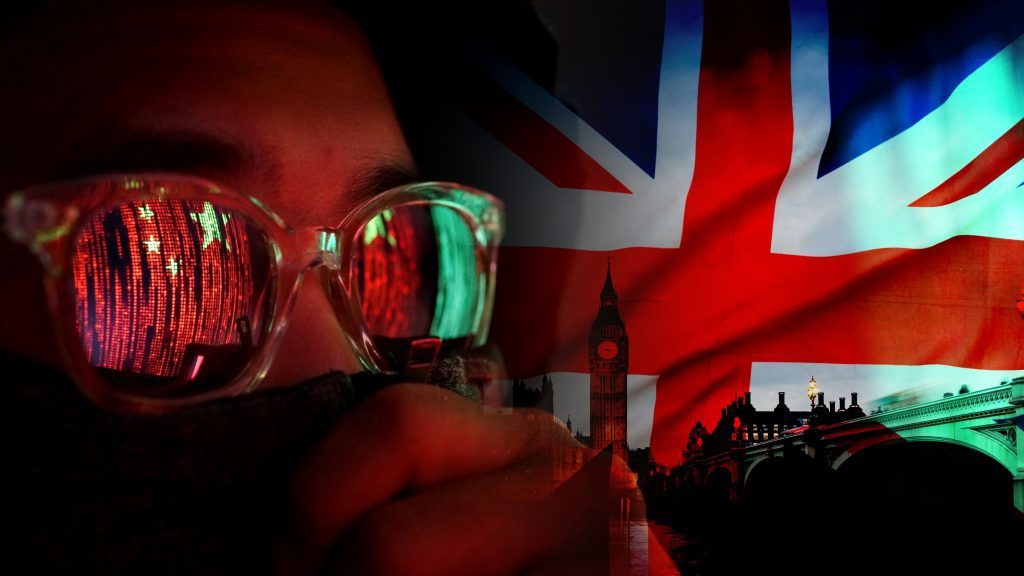
Earlier this week, American and British intelligence reports revealed that a Chinese state-linked espionage campaign was reported to infiltrated UK telecommunications networks, between 2021 and 2024, gaining access to personal devices of senior officials within 10 Downing Street. The British telecom security breach has been active for years.
The breach prompted an emergency mobilization by the British government. Chancellor, Rachel Reeves, and Secretary of State for Science, Innovation, and Technology, Liz Kendall, issued in November of last year an emergency directive to the UK’s mobile network operators (MNO) to fortify national infrastructure against hostile state actors – without increasing any cost on the consumer.
If governments cannot secure the phones of prime ministers and senior aides inside Downing Street, questions inevitably follow. When will telecom providers in UK connectivity sector for citizens be protected?
Allegations of deep Chinese cyber infiltration are now crashing with the UK’s Telecoms Security Act already strained by trust, cost and security failures.
Chinese state-linked hackers reportedly gained “full access” to telecom providers in UK connectivity sector, reaching what one source described as “right into the heart of Downing Street”.
The breach, part of a year’s long global cyber espionage campaign on top UK telecom companies, has exposed a contradiction at the centre of British policy, urging telecom firms to rebuild public trust and fairness while struggling to demonstrate that the state itself can secure the nation’s most sensitive communications.
Breaching British Telecom Security
Back in 2024, US officials first discovered the British telecom security intrusions and later warned allies across the Five Eyes intelligence alliance, the US, UK, Australia, Canada and New Zealand.
Experts say the hackers may have been able to eavesdrop on calls, read text messages and track locations of millions of users.
US deputy national security adviser from January 2021 to January 2025, Anne Neuberger, said China ‘gained access to networks and essentially had broad and full access,” including the ability to “record phone calls at will,” making the UK’s Telecoms Security Act questionable at this point.
British intelligence sources confirmed that senior government figures were targeted between 2021 and 2024, during the tenures of Boris Johnson, Liz Truss and Rishi Sunak.
While British telecom security hacks remain unclear whether prime ministers’ own phones were compromised, one source said the breach extended “right into the heart of Downing Street”. Even without full call interception, access to metadata, could know who officials contacted, how often and where they were located.
The breach of top UK telecom companies has been linked to Chinese state-sponsored group, Salt Typhoon.
Former Israeli intelligence chief, Yuval Wollman, labeled Salt Typhoon as “one of the most prominent names” in cyber-espionage, highlighting that its operational stretch goes beyond the US all the way into Europe, the Middle East, and Africa.
US intelligence agencies believe the campaign dates to at least 2021, with one senior official describing it as “one of maybe the more successful campaigns in the history of espionage”.
China’s foreign ministry has dismissed the allegations as “baseless” and “lacking evidence”, saying Beijing “never encourage[s], support[s] or condone[s] cyberattacks”.
Yet Western agencies warn that attribution in cyberspace is extremely difficult, and that persistent, long term access to networks remains a defining risk.
Trust on the Line
The government is pressing the Telecoms Security Act to restore British telecom security and consumer trust. The pressure? Well, it solely stands on the shoulder of telecom service providers in the UK sector.
Chancellor Rachel Reeves told major telcos that “customers should feel confident that they’re getting a fair deal… to be honest and upfront about what people will pay and keeping price rises in line with what customers signed up to.”
In parallel, Technology Secretary, Liz Kendall, said that while “mobile and broadband bills are an essential, everyday cost for millions of us across the country. But it is clear to me that companies need to do more to protect their consumers – loyal customers who rely on these services to run businesses and stay in touch with loved ones.”
But that’s where the contradiction surfaces.
The government insists that nationwide telecom security lies on telcos as they must secure networks and invest in infrastructure without passing rising costs to the public – despite tight margins and massive expenses of defending against state-level cyber hackers, such as Salt Typhoon.
If senior officials’ communications cannot be guaranteed, public confidence in the wider connectivity ecosystem risks erosion.
Critics say the stakes extend beyond pricing of telecom network infrastructure. Alicia Kearns, a shadow minister for national security, asked, “How much more evidence does this Government need before it ends its simpering to Xi and stands tall as the great country we are and defends us?” Parliament’s Intelligence and Security Committee has already concluded that the UK “has no strategy on China, let alone an effective one”.
As Britain pushes toward nationwide 5G, the Salt Typhoon revelations sharpen an uncomfortable question, if the state struggles to secure the phones at the highest level of government, how can it credibly promise protection for citizens or build a resilient telecom infrastructure instead of it being under strain.
Inside Telecom provides you with an extensive list of content covering all aspects of the tech industry. Keep an eye on our Cybersecurity sections to stay informed and up-to-date with our daily articles.