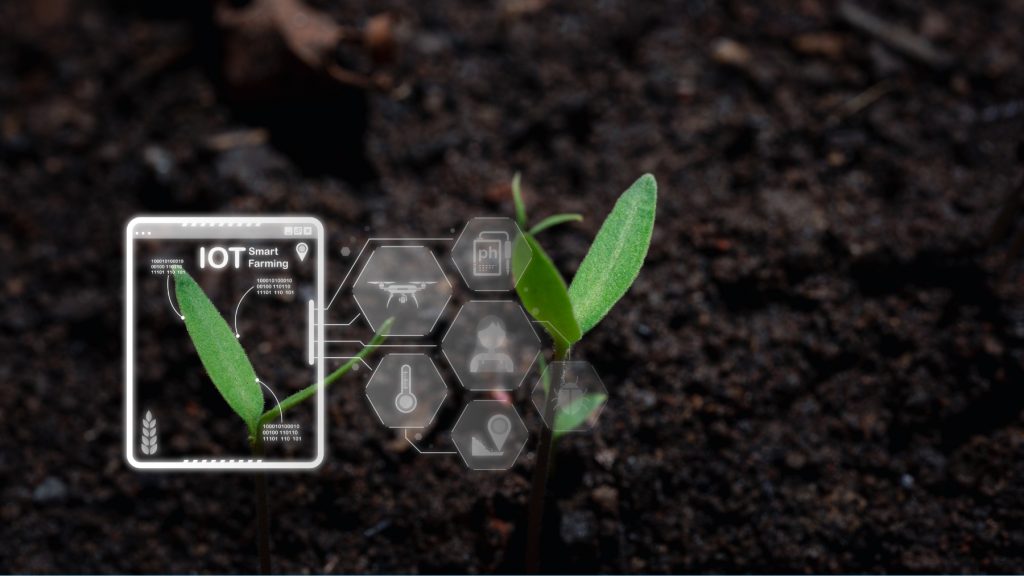
A decade of smart agritech has given farmers more ways to use information, but privacy concerns remain as artificial intelligence demands greater access, raising questions about whether growers will keep control of the knowledge produced by their own daily work.
Writing in Precision Farming Dealer on November 10, agricultural lawyer Todd Janzen assessed changes since Ag Data Transparent – the disclosure standard he helped establish – began a decade ago.
Janzen’s account places agritech digitalization within a familiar tension: expanding uses for information without settling farmers’ concerns about sharing it.
More Uses, Familiar Concerns
Janzen describes fewer new businesses and consolidation across agricultural technology. Earlier promises centered on comparing yields and practices between farms, and he argues those comparisons delivered modest improvements rather than the dramatic gains some platforms suggested. For digital agritech, usefulness still has to justify participation.
Privacy, Janzen writes, remains an unresolved concern. Farmers repeatedly raised it in surveys even when the issue received less attention. A history that challenges any assumption that wider farm data collection means producers have become comfortable with every use of their records.
AI adds another destination for information. Janzen warns that records supplied to generate advice might also inform other users or help marketers approach the farm, so the commercial reach of smart agritech can extend beyond the service a farmer wanted.
A grower might upload several seasons of field records to receive planting advice. The immediate benefit says little about subsequent reuse. With precision farming data collection, the decision concerns both today’s recommendation and permissions that survive tomorrow.
AgCanada’s July reporting brings this concern to the agreements behind agricultural AI. Rozita Dara, a University of Guelph professor of data strategy, distinguishes farm business information from personal information. Her explanation cautions against assuming that familiar personal privacy protections automatically cover data collection for farms.
“AI learns with data,” said Dara, adding, “The more diverse data you have, it learns better. The more data you collect from different farms, it becomes more accurate. So, I don’t want to blame AI.”
Diverse records can improve learning, making participation valuable. Yet an AI system for agriculture data privacy needs more than a reassuring description. Farmers need understandable terms explaining how information enters the service and what happens afterwards.
Who controls those records cannot be settled by identifying who owns the tractor. Access, sharing and reuse depend on applicable rules and agreements, so a smart farm agritech service should make those permissions visible before a farmer supplies commercially sensitive information.
The practical question is whether the farmer can make meaningful choices. Agreeing to one service should prompt scrutiny of any additional permissions bundled into it. In analyzing precision agriculture data, an adviser’s access and a provider’s permission to develop products serve different purposes.
Agritech Precision Agriculture Data-Driven Farming Transformation
The Organization for Economic Co-operation and Development (OECD), in its November policy paper, identifies unclear rights, limited transparency and difficulties moving between providers. Its assessment places agritech digitalization within a wider governance challenge involving public rules, private contracts, and voluntary arrangements.
For growers, the first check is what information the service takes and why. Before accepting farm data collection, they should establish who receives the records, whether third parties follow the original conditions, and how long each can retain them.
Dara’s team found that providers frequently keep using farmers’ data after an agreement ends, and that contracts often accept future amendments automatically.
“Unfortunately, in the majority of the cases, the answer is ‘yes,’” Dara said of continued use after termination. On unannounced changes, she added “that means they can change the policy, and they don’t need to send you a notice. That’s very concerning.”
A subscription ending does not necessarily end every permission attached to collecting farm data, making exit conditions as important as initial consent.
These findings suggest a practical test for smart agritech agreements: can a farmer explain the main permissions after reading them? Dense wording leaves little room for informed decisions when details about onward sharing or later reuse are hard to locate.
Farmers should also ask specifically about model training, marketing, and combining records with information from elsewhere, rather than assumptions about every provider. The value of digital agritech depends partly on knowing which activities the agreement permits.
The OECD also identifies uneven interoperability and portability, meaning systems may struggle to work together or transfer records. For smart farm agritech users, an export option should be tested practically: can another service use the information without costly reconstruction, or extensive manual work?
Clearer rules could make competition more meaningful by reducing dependence on one provider and could also support useful sharing rather than discouraging participation altogether. The Internet of Things (IoT) connects devices. Combining these with analytical tools, precision agriculture using IoT data analytics and machine learning needs workable choices about access.
For equipment dealers, these concerns suggest responsibilities beyond installation, explaining account permissions, identifying who handles questions, and helping customers understand transfer options. Providers should clearly describe retention, sharing, and changes. Such practices would make smart agritech easier to evaluate against farmers’ business interests.
Accountability also requires a clear route when expectations fail. If a farmer disputes the use of records, the agreement should say whom to contact and how the concern will be handled. For smart agritech, that connects written promises to everyday support, giving growers a way to challenge decisions about information their livelihoods depend on.
Inside Telecom provides you with an extensive list of content covering all aspects of the tech industry. Keep an eye on our Ethical Tech section to stay informed and up-to-date with our daily articles.
