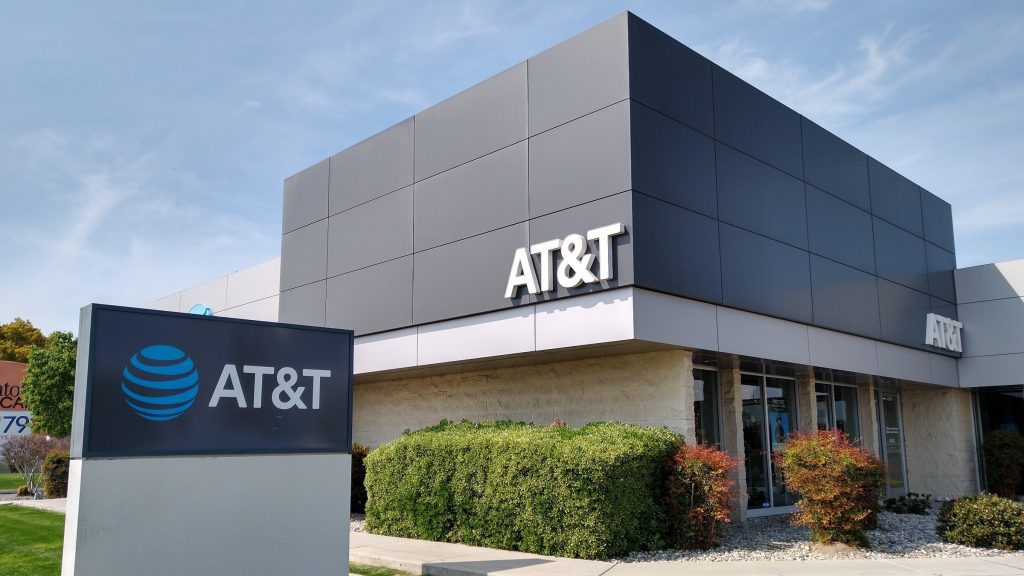
On March 10, Texas-based AT&T announced a commitment of more than $250 billion over five years to expand fiber, 5G and satellite telecom network infrastructure across the US.
The American mobile network operator’s (MNO) announcement arrived as the telco moves simultaneously to acquire spectrum licences from EchoStar for $23 billion and absorb Lumen’s Mass Markets fiber business – adding over one million fiber internet customers to its AT&T network.
The deal is expected to be completed in mid-2026.
The multiyear investment, expected to unfold over the next five years, includes capital spending and operational costs to expand the AT&T’s telecom network infrastructure and network footprint.
It is one of the largest commitments in the telecom network infrastructure market as demand for high-speed internet, cloud services, and AI-driven applications increases.
“Today, we’re committing more than $250 billion to increase US connectivity competitiveness and expand access to AT&T’s leading fiber and wireless networks – the best way to get on the internet,” said AT&T Chairman and CEO, John Stankey.
The MNO’s spending will accelerate deployment of fiber broadband, 5G home internet and wireless services across urban, suburban and rural communities in the US, while strengthening national telecom network infrastructure needed for data-intensive digital services.
According to AT&T release, the investment is framed around three strategic pillars:
- Deployment of always-on connectivity;
- investment in its workforce;
- and securing the US connected economy.
Through a collaboration with AST SpaceMobile, AT&T will expand coverage to rural communities where traditional infrastructure telecom systems remain limited.
The announcement marked the 150th anniversary of Alexander Graham Bell making the first recorded telephone call in Boston back in 1876. The investment is deemed the most ambitious capital pledge in its modern history. Timed precisely to the sesquicentennial of Bell’s original call, it also holds heavy – and unmistakable – political undertones.
AT&T’s expansion calculus is equally as much about Washington’s regulatory posture as much as it is about consumer demand, with Stankey crediting the current federal telecommunications policy as “the most conducive to such investment in decades.”
Despite AT&T not being the best-rated telecom infrastructure companies, Scotiabank – the financial analyst firm covering AT&T as a publicly traded stock – responded by raising its price target for the operator’s shares to $31 per share, up from $29.50, according to Trading View.
Scotiabank’s move – while modest – is a telling endorsement from Wall Street of a strategy that bets the next era of AI, autonomous technology, and cloud computing runs, ultimately, through AT&T’s cables and towers to construct infrastructure telecom foundation of the future.
Telecommunication Infrastructure and Beyond 5G Partnerships
The company also said its upgrades will support data-intensive technologies such as cloud computing, autonomous systems, and emerging AI telecom infrastructure that depend on large-scale network capacity to be able to strengthen its telecom network infrastructure across underserved areas.
Industry analysts say large investments such as this will build the best telecom infrastructure for 5G networks. Even as specialized vendors and equipment manufacturers remain among the best-rated telecom infrastructure companies driving global deployment standards.
AT&T said the new investment reinforces its role in what it called “America’s connected economy,” noting that modern telecom network infrastructure will support innovations ranging from remote healthcare to autonomous vehicles.
However, the scale of the investment has raised concerns among some investors. Analysts had previously estimated the company would approve about $111.6 billion in capital expenditures through 2030, a significantly smaller figure than the new commitment.
In addition to telecom network infrastructure, the company employs around 110,000 people in the US and seeks to hire thousands of technicians in 2026, to support 5G infrastructure installation and the expansion of network systems.
According to AT&T, only 5% of the operator employees need to have a four-year degree, prompting new training programs for technicians, engineers and network specialists working across the infrastructure telecom ecosystem.
On February 2 of this year, to strengthen its telecom network infrastructure market position, AT&T acquired Lumen Technologies’ mass-market fiber business, adding more than one million fiber internet customers to its network and further expanding its role among the best telecom infrastructure providers in the US.
AT&T said the investment will help lay the foundation for the next generation of digital innovation while ensuring reliable connectivity across the country for decades to come.
Inside Telecom provides you with an extensive list of content covering all aspects of the tech industry. Keep an eye on our Telecom sections to stay informed and up-to-date with our daily articles.