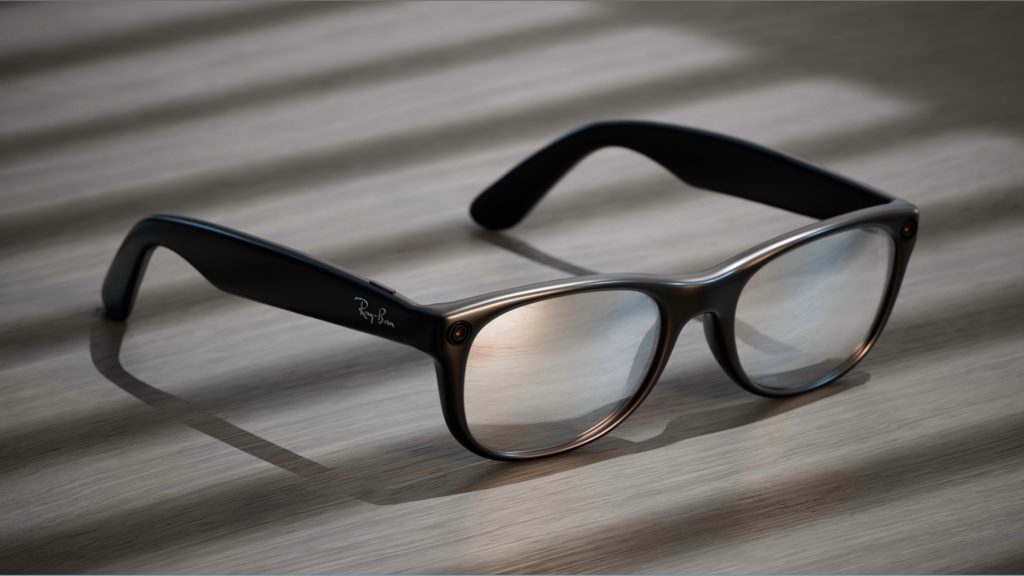
In 2025, at least two Florida sheriff’s offices purchased Ray-Ban Meta smart glasses for surveillance technology use by personnel, according to public records reviewed by Miami New Times.
Records obtained through Florida’s public records law and posted to the transparency platform MuckRock show the Broward County Sheriff’s Office bought several pairs of the glasses from Amazon in May 2025 for its undercover Internet Crimes Against Children unit, bringing police surveillance technology into work needing discreet tools.
A spokesperson for the office, Veda Coleman-Wright, declined to comment on how the glasses are used, or to release any departmental policy governing them. Instead, the spokesperson cited a public records exemption covering surveillance technology techniques and procedures.
The purchases show surveillance technology entering law enforcement with little public discussion. And records point to undercover work and technical support, while questions marks remain about recording, storage, notice and oversight.
Smart Glasses Move into Police Work
The uptake of consumer smart glasses by law enforcement is exceeding privacy laws written for an earlier generation of surveillance technology as officers use commercial wearables that lack the requirements attached to police body cameras, according to civil liberties groups.
Broward officials declined to explain their use, citing an exemption for surveillance techniques or procedures. The office provided no policy covering recording, storage, or access to footage.
Meta markets the Ray-Ban smart glasses, which can take photos, record video, livestreaming and interact with an AI assistant, primarily as consumer wearables. Its website calls them AI glasses for effortless connection, showing how surveillance technology can arrive through familiar hardware.
“Throughout the county, we have approximately eight locations, and when one IT technician needs another technician’s ‘eyes’ on an issue, they use these devices to provide a live visual of the work being performed without requiring a second person to be physically present,” spokesperson Jack Nash wrote.
The example shows how a police wearable camera can solve problems. Cameras, microphones and streaming can capture nearby people, raising questions about whether smart glasses need body-camera rules.
Wearable Recording Device Raises Privacy Concerns
Border Patrol and Customs and Border Protection agents have worn Ray-Ban Meta smart glasses during immigration operations, putting wearable video recording devices into a wider debate over cameras that are harder to notice.
The concern is that new police surveillance technology can look like ordinary eyewear. Unlike a body camera clipped to on a uniform, smart glasses can be harder to notice in crowds or at protests.
“Police officers wearing Meta smart glasses and secretly recording the public is a direct threat to Floridians’ right to free speech and protest,” Will Owen spokesperson of the Surveillance Technology Oversight Project told Miami New Times, highlighting fears around this type of surveillance technology.
According to Owen, the glasses are ordinary-looking glasses that make no gesture toward police accountability, with only a small LED indiacting that recording is taking place. That light can be easy to miss in a crowd or block from view, making a police wearable camera less obvious than it should be.
According to Endgadget, some users found ways to to cover the recording light despite Meta software updates meant to prevent it. Meta says the camera stops working if it detects tampering, including a blocker placed over the LED, making covert recording harder to pull off.
Privacy groups say hardware safeguards don’t replace policy. Owen called it “alarming” that local police officers could abuse this technology, especially as police surveillance technology becomes easier to buy through retail channels.
The debate could grow as Meta glasses police use moves into regular departments. The glasses offer hands-free video, live support and AI features, but can expand recording without expected visibility.
For agencies, a police wearable camera may become another tool beside body cameras and drones. For the public, the issue is whether rules, notice, and data limits will come with it.
“Meta smart glasses have no place in law enforcement in South Florida or anywhere else in the country,” Owen said.
The challenge is whether smart eyewear can enter policing without weakening accountability as surveillance technology becomes easier to wear.
Inside Telecom provides you with an extensive list of content covering all aspects of the tech industry. Keep an eye on our Intelligent Tech sections to stay informed and up-to-date with our daily articles.
