At the 20th CITES Conference in Samarkand, experts warned illegal trade, which is thought to be worth up to €22 billion, threatens more than 40,000 species, and pushes countries to extend wildlife technologies preservatory tools for global protection efforts.
The conference brought together scientists, officials, and conservation groups who said crimes now demand wildlife tracking technology and smarter digital systems.
Delegates emphasized that modern tools could offer faster detection and clearer data, enabling countries to respond before species become extinct.
Wildlife Monitoring Technology
Secretary General, Ivonne Higuero, said innovation now plays a role in the drive to halt illegal trading, and that CITES teams work with Interpol and the World Customs Organization (WCO). AI monitoring wildlife is already running on borders to detect hidden samples.
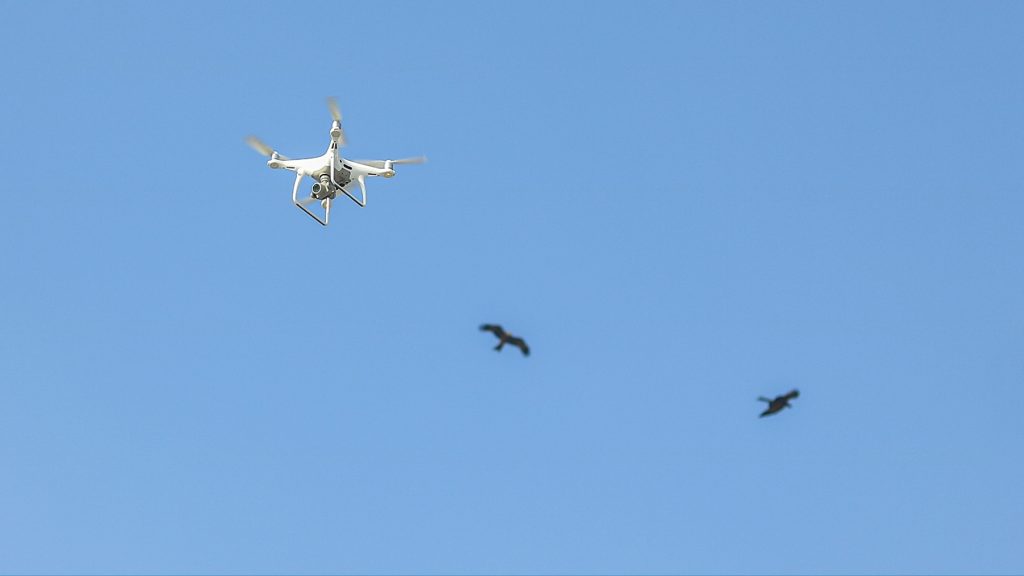
According to Higuero, GPS collars offer long-term wildlife tracking technology for studies regarding migration and survival. The Secretary General added that drone wildlife monitoring and remote camera networks also support population counting, movement tracking, and detection of crime in the field.
Central Asia expanded its digital toolkit through the SMART system used worldwide for protected area enforcement and biodiversity data. Regional manager, Islam Mamedov, said SMART lets countries build up geolocated databases and track violations in real time.
He also presented an AI-powered smart trap tested globally for real-time alerts.
“It can recognize animal species itself, and send information to you in real time,” he said.
This comes as many regions adopt drone wildlife protection solutions to replace slower manual patrols.
Digital Shift of Uzbekistan
The Government of Uzbekistan is using both drones and wildlife technology in conjunction with digital inspection platforms.
Phytosanitary inspector Ozoda Ortikova said officers now rely on tablets with live geolocation and risk profiles through “Dala Nazorat”. Farmers use the “Agro Ko’makchi” app to request support.
“If pests or disease are detected, samples are sent to the central lab for DNA analysis,” she said.
Ziyovuddin Yusupov, a researcher in plant conservation, presented a region-wide system of coordinates for protected flora.
“We have collected coordinates of all Central Asian plants and then provided a single platform to monitor through,” he said. Uzbekistan also launched the “Tree of Life” DNA project, aiming for 9,000 plant profiles.
Yusupov showcased a portable Raman spectroscopy laser with AI drones for wildlife conservation, serving as an alternative to quickly identify species when DNA tests are not possible. It supports field checks against illegal harvesting.
To set hunting regulations, wildlife managers monitor habitat conditions using drones for wildlife monitoring to better understand seasonal changes and local risks.
Across sessions, delegates also drones AI for wildlife conservation, drones anti-poaching technology, and a broader rise of wildlife technologies in regional cooperation efforts. As countries work to protect threatened species, many said these wildlife technologies preservatory represent the most practical preservatory path forward.
Inside Telecom provides you with an extensive list of content covering all aspects of the tech industry. Keep an eye on our Intelligent Tech sections to stay informed and up-to-date with our daily articles.