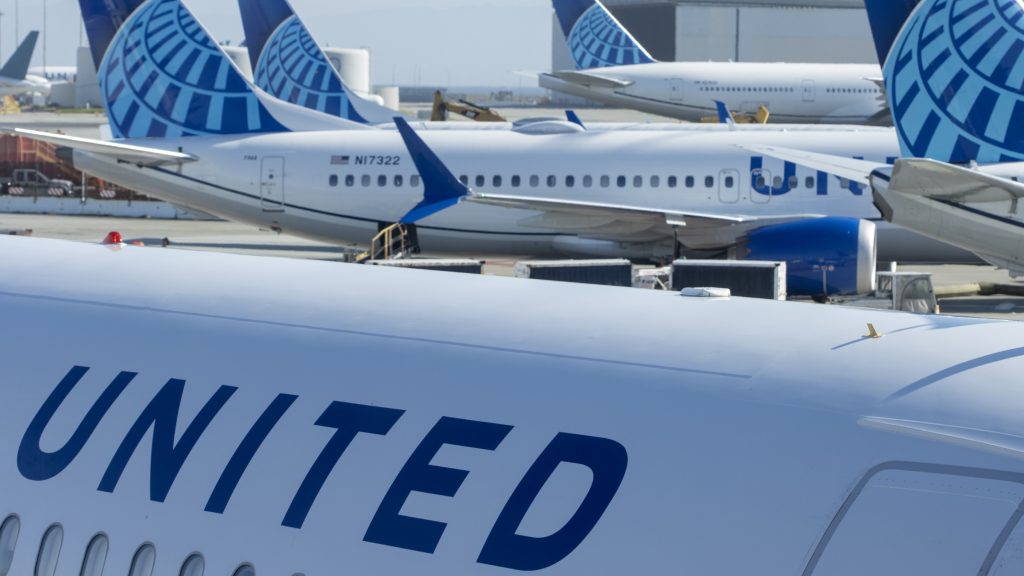
On November 11, United Airlines restricted third-party AI agents from purchasing tickets on behalf of passengers, doubting AI agent flight booking as airlines confront growing security concerns and the possibility of losing control over how travelers search for and purchase flights.
The restrictions apply to United’s website and mobile application, where automated tools have begun moving beyond comparing fares to completing transactions.
Passengers can still use travel platforms to research flights, but the airline wants to stop unauthorized software from making purchases or reaching customer accounts.
United wrote the change into its contract of carriage. Rule 6.J.6 now lists using AI agents to make, modify, or service a ticket among prohibited ticketing practices. In parallel, Rule 5.H allows the airline to cancel reservations made or managed by such software without notice.
Why United’s Drawing the Line on AI Agent Flight Booking
United’s decision comes as developers push the AI flight booking agent beyond travel recommendations, letting automated systems choose itineraries and handle purchases with little human involvement. Although that saves time, it also raises questions about who is responsible when a booking goes wrong.
The airline argues that giving an AI flight booking assistant access to personal accounts could expose payment information, travel details, and loyalty points. An automated purchase could also leave passengers dealing with unexpected charges or reservations they never intended to confirm.
However, the problem with AI agent flight booking extends beyond financial security, especially when software begins performing actions that airlines are legally required to verify with passengers. United pointed to federal requirements under 49 CFR 175.25 – obliges passengers to acknowledge dangerous goods information when buying a ticker and checking in, including declarations about prohibited items, such as explosives.
These requirements become particularly sensitive with AI flight check in, since passengers must personally confirm certain safety declarations rather than leave those decisions entirely to automated software.
The federal government’s rules do not themselves prohibit automated booking, and the restriction remains the airline’s policy supported by a safety rationale instead of a regulatory requirement.
According to PhocusWire, the restrictions cover unauthorized bots, browser extensions and third-party tools operating through travel agencies or booking platforms. This means an existing travel agent flight booking system cannot simply transfer transactions to autonomous software without the airline’s approval.
For developers working on agentic AI flight booking, access to airline systems no longer means permission to complete reservations. The same issue could affect account management, where AI airline manage booking must separate routine requests from actions requiring passenger verification.
United has said it does not currently partner with these third-party assistants, although bookings completed before November 11 will remain valid. Passengers have nevertheless been encouraged to review their reservations, as the airline attempts to limit AI agent flight booking without disrupting existing travel plans.
Are Airlines Afraid of Losing Their Customers to AI?
Beyond the security arguments, United’s resistance points to a commercial concern that airlines have faced for years: keeping customers within their own booking channels instead of relying on outside platforms.
With agentic AI flight booking, travelers may eventually ask an assistant to find and buy a ticket without visiting an airline’s website. Such a transition would give technology developers greater influence over which flights passengers see and how they compare prices.
“To be honest, I don’t want to create another middleman,” United CEO, Scott Kirby, told an event in Chicago, according to the Wall Street Journal.
Kirby’s comments suggest that an AI intermediary could become more than a convenient booking tool if travelers begin trusting automated recommendations instead of comparing offers directly.
The research published suggests that is already happening.
In parallel, Propellic, a travel marketing agency, ran scripted booking requests across four routes and found that 57% would have been routed through Duffel, the booking interface behind Meta’s AI agents, even when travelers named a specific airline. Airlines received the booking directly in 28% of cases, with platforms such as Booking.com and Expedia taking 14%.
“Agentic AI platforms have swung the pendulum back towards the traditional travel supply chain,” said Propellic founder Brennen Bliss.
The findings give Kirby’s objection a measurable form, since the middleman he describes is already handling most automated bookings before any airline agrees to participate.
Aviation analyst Henry Harteveldt of Atmosphere Research Group raised concerns about the restrictions.
“But by blocking the AI bots, United won’t make it any easier to find its fares, either,” Harteveldt told CBS News.
Harteveldt’s observation highlights the trade-off facing airlines, since limiting AI agent flight booking protects customer relationships while reducing their visibility across emerging digital services.
Other carriers are taking a different approach, with Southwest letting travelers access flight information through ChatGPT. Airlines have not agreed on how much independence an AI agent for flight booking should receive, particularly when automated assistants could become another sales channel.
Research cited by PhocusWire indicates that automated booking technology is already advancing. With some agents reaching payment pages without encountering login requirements or captchas, suggesting AI booking flight technology is progressing faster than some existing access controls.
Commercial adoption remains uncertain and Engadget highlighted Uber’s limited experience with AI-initiated transactions. That gap between technical capabilities and customer demand influences how quickly airlines embrace an AI flight booking agent.
For an AI flight booking assistant to gain acceptance, developers may need to show that automated transactions can operate safely within airline distribution networks. Otherwise, passengers face what might be called AI flight roulette, where convenience comes with uncertainty.
United’s position pushes the AI intermediary model toward approved partnerships rather than open access, leaving developers dependent on airline cooperation. As AI agent flight booking advances, the industry must decide whether autonomous assistants become trusted distribution partners or competitors for the relationship between airlines and travelers.
Inside Telecom provides you with an extensive list of content covering all aspects of the tech industry. Keep an eye on our Intelligent Tech sections to stay informed and up-to-date with our daily articles.
