In 2026, Israel tech industry and defense sectors were scrutinized as companies, executives, and policymakers in Tel Aviv grappled with war, currency shifts, and AI disruption altering operations through increased costs, layoffs, and shifting redirection of investment patterns.
Yet, and despite these shifts, Israel’s high-tech ecosystem remains both a growth engine and pressure point for the Jewish state.
Israel’s tech sector contributes roughly a fifth of its national Gross Domestic Product (GDP) and a quarter of tax revenues. But now, it is faced with the challenge of navigating overlapping hurdles around its never-ending wars against its neighbors, workforce disruptions from army reserve duty, and AI and defense tech global competition.
Together, these forces molding how Israeli companies operate, invest, and expand beyond the state’s invisible borders.
Battlefield Innovation and Global Arms Demand
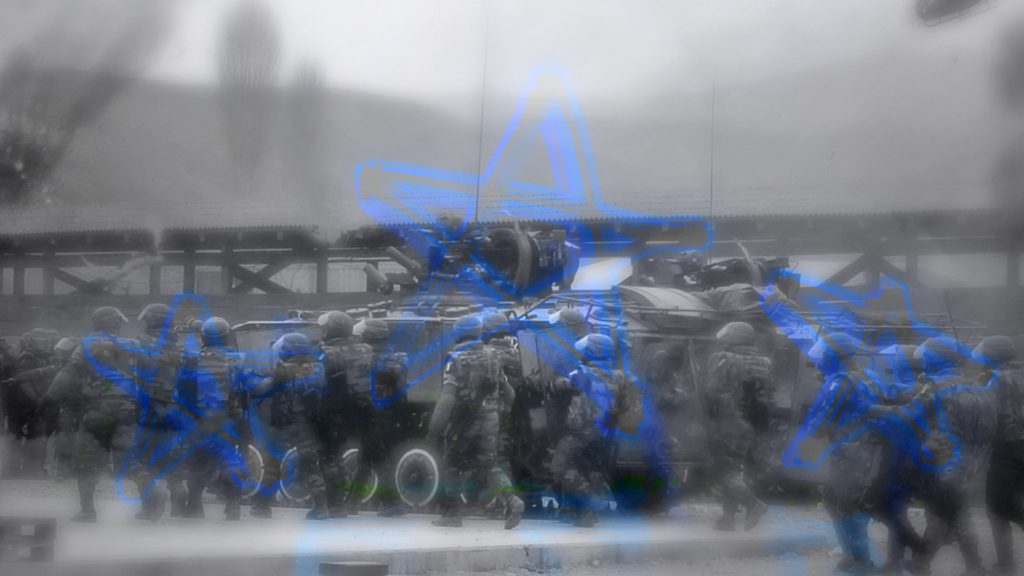
For Israel tech industry defense sector, war has accelerated technological adaptation and global demand. Companies that once focused on civilian industries are now embedded in military production cycles.
Massivit, a company originally known for producing large-scale 3D printed designs for entertainment giants Disney and Netflix, now shifted part of its operations toward military applications after being approached by defense officials seeking drone components.
CEO Yossi Azarzar described the pivot in blunt terms, “I stopped thinking about Hollywood sets,” Azarzar said. “The entertainment industry is a nice customer — defense is a necessity.” The shift reflects a broader trend in which commercial innovation is being redirected toward military needs amid ongoing regional conflicts involving Gaza, Hezbollah, and Iran.
Israeli defense exports have surged significantly over recent years, with the Defense Ministry reporting that weapons sales have more than doubled over the past five years, reaching nearly $15 billion in 2024.
Israel tech industry has also climbed global rankings, surpassing the UK to become the world’s seventh-largest arms exporter, according to the Stockholm International Peace Research Institute.
At industry events in Tel Aviv, companies showcased systems developed during active conflicts, while facing protests over the use of war zones as testing environments. Human rights groups argue that battlefield deployment accelerates weapons refinement, while defense officials maintain that the systems are designed solely for national security purposes.
Economic Pressure, AI Disruption, and Talents’ Cost
As defense exports grow, Israel’s technology sector faces economic strain. A once strong shekel – Israel’s currency – has increased labor costs for companies operating in global markets, especially those raising capital in dollars.
Executives say Israeli engineers have become among the most expensive in the world, and in some cases, costing more than their American Silicon Valley counterparts.
Some multinational companies have slowed hiring in Israel, while others are relocating development work abroad.
In recent months alone, wages in dollar terms have increased by 15% to 20%, dictating a new nature for hiring decisions across startups and global tech firms, according to industry estimates.
“At the current shekel exchange rate, if I could, I would recruit all the employees for my startup abroad,” said entrepreneur Liad Agmon, comprehensively capturing the tension.
The Israel tech industry pressure can also be seen inside multinational corporations.
Some Israeli development centers, including those linked to major global firms, have reportedly seen deeper restructuring than their international counterparts. In certain cases, entire teams have been relocated to India or Eastern Europe as companies adjust to rising costs and AI-driven efficiency strategies.
EY Israel Managing Partner Noam Canetti said the shift is already changing corporate behavior: “In recent months, we have seen companies stop recruiting in Israel, reduce activity and transfer roles to lower-cost countries after the wage cost of Israeli workers in dollar terms jumped by more than 20%,” he said.
At the same time, executives say AI-related restructuring is often masking deeper cost concerns, with layoffs and hiring freezes increasingly attributed to automation rather than financial pressure alone.
Global Recognition Amid Technological Transformation
Despite economic pressures, Israel tech industry continues to attract international recognition for its technological capabilities. Speaking at a mobility summit, Elon Musk praised the country’s innovation ecosystem.
Musk’s remarks highlight Israel’s position in global AI and mobility development, particularly in autonomous driving and robotics. He predicted that within a decade, most driving would be handled by AI systems and suggested that humanoid robots could eventually outnumber humans.
For now, Israel tech industry dual identity remains intact, a world leader in defense innovation and a critical player in global technology markets, but one increasingly shaped by the pressures of war, currency strength, and the accelerating influence of AI.
Inside Telecom provides you with an extensive list of content covering all aspects of the tech industry. Keep an eye on our Tech sections to stay informed and up-to-date with our daily articles.
