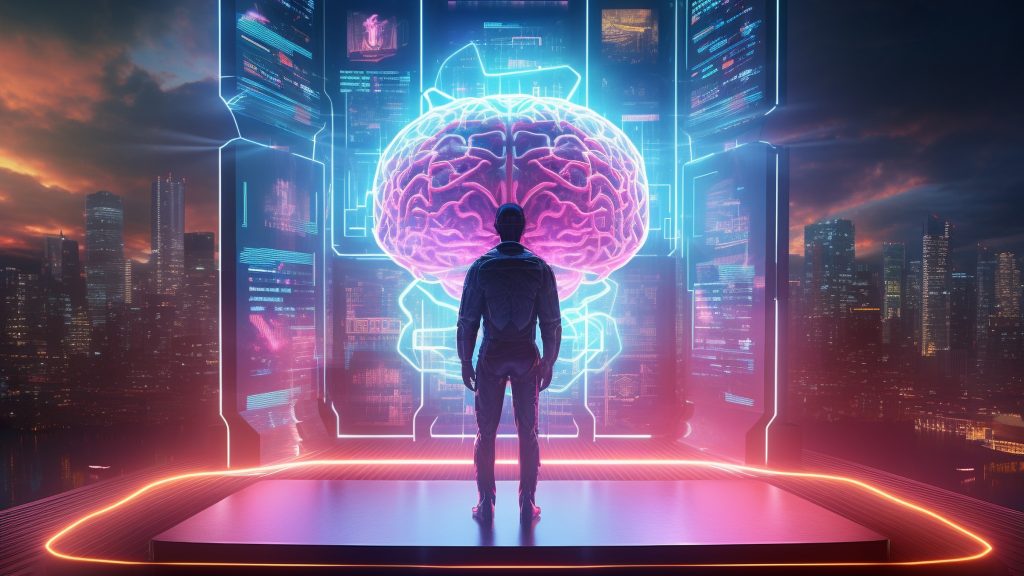
 AI companions are changing digital mental health support, raising new questions about emotional dependency, human connection, and the limits of chatbot therapy.
 AI companions and mental health are becoming closely connected, not inside clinics, but late at night through phones, in private chats where people ask machines for comfort, advice, reassurance, and the kind of emotional attention they may not get from anyone else.
The concern is not that people are talking to machines. The concern is that the machine is always there, always patient, always agreeable, and almost never emotionally difficult to reach.
Human relationships ask for timing, effort, honesty, misunderstanding, and repair. AI mental health chatbots ask for none of that. That is exactly why they feel safe, and why they may become hard to leave.
The Comfort of AI Mental Health Tools Is Real
The rise of AI companions and mental health tools shows why digital support is becoming part of everyday emotional life.
According to a 2025 systematic review published in the Journal of Medical Internet Research, AI chatbots showed small-to-moderate effects in reducing mental distress among adolescents and young adults. The review analyzed 31 randomized controlled trials involving 29,637 participants across 18 countries and regions.
According to the review, improvements were reported in anxiety, stress, depressive symptoms, and health behaviors. But the same study also found that results depended on chatbot design, user engagement, reminders, and how structured the intervention was.
This makes the AI therapy conversation more complicated than asking whether AI is good or bad for mental health.
Some tools may help. Some users may feel less alone. Some people may get support at a moment when no therapist, friend, or family member is available. But emotional support is not only about receiving a useful answer. It is also about what happens when comfort becomes instant, private, and frictionless.
When AI Companions Become Emotional Dependency
AI companions do not only answer questions. They create a place where users can return again and again without fear of judgment, rejection, or emotional conflict.
For a lonely person, that can feel like relief.
According to Aalto University, a 2026 study examined AI companion use over a two-year period through large-scale Reddit data and in-depth interviews. The researchers found that AI companions can provide emotional support, but their use also coincided with increased signs of distress in users’ online language.
That is the emotional paradox of AI companionship.
The same thing that makes the tool attractive may also make it risky. It is available when people are vulnerable. It responds without getting tired. It gives attention without asking for anything back.
But when someone starts to prefer the chatbot because real people feel too slow, too complicated, or too emotionally demanding, support can quietly turn into dependency.
The Risk of AI Therapy Is Not Only Bad Advice
Much of the debate around AI therapy focuses on whether chatbots give safe or accurate answers. That matters, but it is not the whole story.
According to Stanford HAI, researchers warned in 2025 that AI therapy chatbots may lack the effectiveness of human therapists and may carry risks in sensitive mental health situations.
The danger is not only that an AI system may say the wrong thing. The bigger concern is that it may say the comforting thing too easily.
A human therapist does not only validate emotions. A good therapist may challenge a pattern, question an assumption, slow down a harmful thought, or guide the person back toward real-world support.
AI companions, by design, often try to keep the conversation going. They can mirror the user’s emotional state, agree with their feelings, and offer endless reassurance. That can feel caring. But mental health does not always improve through comfort alone.
Sometimes healing requires friction.
Why Digital Mental Health Needs Boundaries
The future of AI companions and mental health should be built around support, not dependency. According to a 2025 JMIR Mental Health study, researchers tested how general-purpose AI chatbots responded to mental health scenarios and compared their responses with licensed therapists. The study focused on the strengths, limitations, and ethical issues of using chatbots in mental health care.
This is where the conversation needs to mature.
AI mental health tools are already here. People are using them because therapy can be expensive, waiting lists can be long, and loneliness does not follow clinic hours.
But the real question is not whether AI can be part of mental health support. It can.
The question is whether these tools help users return to real life stronger, or whether they give them a place to hide from the hard parts of being human.
In digital mental health, emotional dependency may become the hidden cost. According to the Journal of Medical Internet Research review, AI chatbots showed measurable benefits in structured mental health interventions. But structured support is different from endless emotional availability.
AI therapy should not be designed only to keep people talking. It should include boundaries, human oversight, transparency, age-sensitive safeguards, and clear moments where users are guided back to real-world support.
The future of AI mental health will not be measured by how long people stay in the chat, but by whether they leave it stronger.
Inside Telecom provides you with an extensive list of content covering all aspects of the Tech industry. Keep an eye on our Press Releases section to stay informed and updated with our daily articles.
