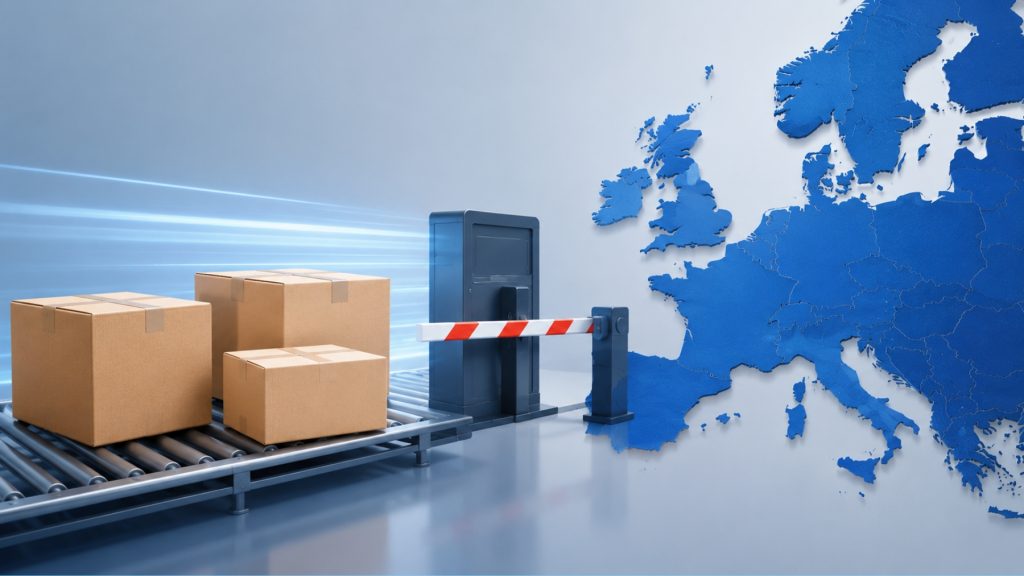
Irish and European shoppers ordering low-cost goods from non-EU platforms, such as Temu, SHEIN, and AliExpress face a new €2 ($2.32) handling fee on parcels coming from outside online shopping EU platforms, according to The Irish Times.
Shoppers will now face a fresh charge, to take effect from November 1, as the European Union (EU) acts to close loopholes that have let billions of cut-price parcels enter the bloc largely unchecked.
The fee will sit on top of the existing €3 ($3.48) customs charge introduced on 1 July on parcels with low value entering the EU. Meaning, many cheap items bought on platforms, such as Temu and SHEIN, could see combined charges of at least €5 ($5.80) before delivery costs.
Where a retailer does not collect charges at the checkout and a courier, such as An Post, collects them on delivery instead, a further administration fee of around €7 ($8) is added. So, low-cost item could ultimately cost significantly more than its listed price by the item it reaches the customer, putting more pressure on the digital customs systems used to manage millions of parcels entering Europe.
An Post told The Irish Times it was still awaiting clarity on the postal handling fee and how the charge would be levied, describing it as “the next phase of the new customs regime for goods coming into the EU from outside.”
Customs Technology Faces Rising Parcel Volumes
The measure targets the EU’s “de minimis” exemption, which allowed goods valued under €150 ($174) to enter the EU last year without customs duties.
According to official estimates cited by The Irish Times, around six billion e-commerce parcel delivery packages worth less than €150 ($174) entered the EU states from outside the bloc last year alone – around 16 million parcels a day, or 200 a second – with more than 90% coming from China.
Each parcel needs digital information about the seller, product, value, and customs category. As importing goods from non EU countries continue to grow, customs technology must process these records quickly and calculate the correct charges.
Customs compliance expert Brian Murphy said it is “very likely” the fee will apply to individual items. That could make importing goods from non EU countries more expensive for Irish consumers.
“That fee is going to be on top of the customs €3 fee. So, it could double the charges again, potentially, and that’s very real and coming in very soon,” Murphy said.
Platforms Update Checkout and Warehouse Systems
The €3 charge works like a low value package tariff on goods valued at €150 or less. Five identical white T-shirts may attract one €3 charge, while a T-shirt and jeans may face two charges, bringing the total to €6 ($6.96).
Large retailers are changing their checkout technology so fees can be calculated before an order reaches Ireland. This makes e-commerce parcel shipping more automated and gives platforms a way to collect customs-related costs directly during online payment.
Rules covering VAT on imports from non EU countries also remain part of the final cost for consumers. VAT is separate from the new charges, although digital checkout systems may show several import costs together before a customer completes an order.
The European Commission has claimed consumers are not legally responsible for paying the €3 duty. However, sellers may still pass some or all that cost into the prices shown on online shopping EU platforms.
Some large platforms are also moving more stock into warehouses within Europe. This strategy can reduce costs connected with importing goods from non EU countries because products have already entered EU customs territory before being ordered by individual customers.
“Temu has been preparing for this for quite a long time,” China technology analyst Ed Sander said, encouraging merchants to store their products in European warehouses.
That approach is changing how online shopping EU businesses manage logistics. Companies can bring larger shipments into Europe and distribute individual customer orders locally instead of sending every small parcel directly from Asia.
A second postal handling fee of around €2 ($2.32) could still increase the price of cheaper products. If it is charged for each item type, some purchases could carry around $5.80 (€5) in combined customs and handling charges.
“It’s the largest shake-up of EU customs since 1968, and e-commerce parcels are a particular target of this plan,” Murphy said. “The future of e-commerce imports into the European Union is changing dramatically. It’s not just tariffs or duty anymore.”
Consumers should also remember that VAT on imports from non EU countries and other customs costs depend on where products are shipped from, rather than simply the web address or country named by the retailer.
An Irish-looking website may still send a product from China. In that situation, an import from non EU countries can face charges even when the website itself appears to be based in Ireland.
As customs systems become more digital, online shopping EU platforms will increasingly need to clearly show where goods are stored, what charges apply and when customers will pay them. Therefore, technology may become almost as important as prices in shaping the future of cross-border shopping.
Inside Telecom provides you with an extensive list of content covering all aspects of the tech industry. Keep an eye on our Tech sections to stay informed and up-to-date with our daily articles.
