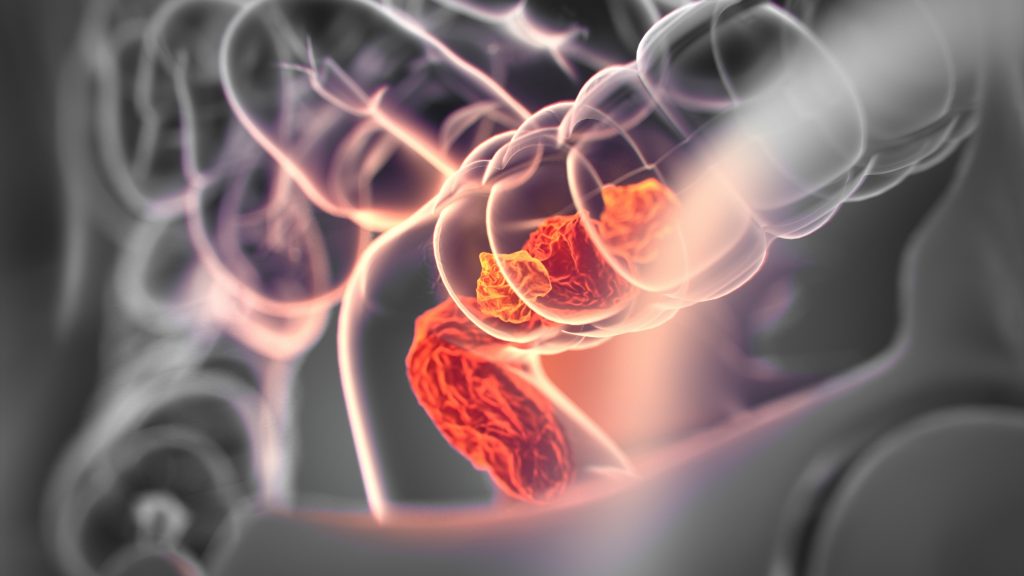
A UCL-developed AI computational pathology system has identified which patients with locally advanced rectal cancer may benefit from adding irinotecan to standard chemoradiotherapy, potentially improving survival while helping doctors avoid exposing others to stronger treatment and unnecessary side effects during care.
The eBioMedicine study found that patients with high concentrations of cancer cells in their tumors gained the clearest benefit. By analyzing biopsy slides before treatment, the AI tumor detection helped researchers separate likely responders from patients who faced added toxicity without improved outcomes.
AI Tumor Detection Patients Most Likely to Benefit From
Among patients with high tumor cell density, adding irinotecan reduced the risk of cancer recurrence by about 43% and lowered the risk of death by about 50% compared with standard treatment using capecitabine and radiation therapy. Patients with low cancer cell concentrations showed no meaningful difference.
Irinotecan is already used to treat advanced bowel cancer, but earlier research had not established that adding it to chemoradiotherapy improved outcomes for locally advanced rectal cancer. The new analysis suggests the drug may help a specific patient group rather than everyone receiving treatment.
The findings came from the ARISTOTLE trial across 75 UK hospitals, where researchers examined 414 biopsy slides from the phase III study, classifying 188 patients as having high concentrations of cancerous cells and 226 as having low concentrations.
The AI computational pathology was trained on open-source datasets and applied to microscopic trial images.
It learned to identify tumor in cells medical imaging from surrounding tissue and separate cancerous cells from healthy cells, allowing it to count millions of cells far faster than manual assessment.
This automated process grouped patients consistently and identified who benefited from irinotecan. Manual identification of tumor cell density had previously been too slow and impractical for a study involving hundreds of biopsy samples.
“While the original trial showed little benefit from adding irinotecan, by using artificial intelligence we found that we could distinguish patients who actually benefited from those who did not,” said Lead author Dr. Zhuoyan Shen.
The researchers also developed Octopath, a free online tool that allows clinicians to upload biopsy slides for analysis. The platform could help doctors assess tumor cell density before treatment and decide whether stronger therapy is justified.
Stronger Treatment Requires Reliable Evidence
Adding irinotecan can intensify serious side effects, including diarrhea and low white blood cell counts. Because chemoradiotherapy is already demanding, doctors need strong evidence before recommending more intensive treatment to patients who may receive no additional benefit.
“Intensifying already taxing treatments puts additional strain on patients suffering from cancer. Clinicians need reliable ways to identify who is most likely to benefit before such treatments begin so potential side effects are avoided. Our findings show that doctors assisted by AI can pinpoint which patients will likely benefit from the more intensive treatment before it begins,” said Senior author, Professor Maria Hawkins.
The research reflects wider interest in how AI detects tumor quicker than human capacity across oncology, where treatment decisions increasingly depend on clinical, imaging, histopathologic, and molecular information.
Specialists say computational pathology analysis and AI can process large datasets, classify patient risk, support diagnosis, and help doctors choose more personalized therapies.
AI in computational pathology is also being tested across radiation therapy, surgery, and systemic treatment. Its uses include early detection, treatment planning, medical information management, and predictions about how patients may respond to chemotherapy or immunotherapy.
Consumer adoption for AI computational pathology is growing as well.
According to a Boston Consulting Group survey, more than 13,000 adults across 15 countries found that nearly 60% already use AI computational pathology for personal health. Common uses include health advice, sleep monitoring, wearables, test explanations, and support for understanding treatment options.
However, AI computational pathology adoption remains limited by fragmented data, weak compatibility between healthcare systems, incomplete labeling, regulatory requirements, and the need for clinical validation.
Experts also warn about incorrect conclusions, hallucinations, confirmation bias, reduced human skills, privacy risks, and unauthorized workplace use.
The UCL researchers demonstrated that independent verification and further clinical studies are needed before the system can guide routine clinical care. If validated, the approach could help more rectal cancer patients receive intensive treatment when evidence supports it while protecting others from avoidable treatment side effects.
Inside Telecom provides you with an extensive list of content covering all aspects of the Tech industry. Keep an eye on our Medtech section to stay informed and updated with our daily articles.
