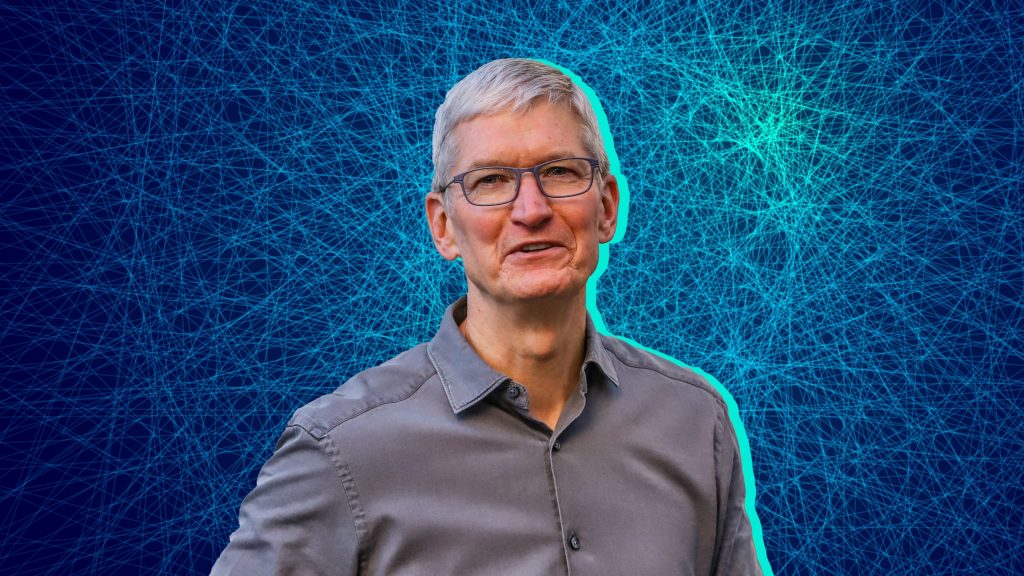
Apple’s new Chief Executive, John Ternus, inherits a sustainability legacy that his predecessor, Tim Cook, spent 15 years building directly into the iPhone parent’s products and marketing, facing scrutiny over Apple greenwashing alongside a set of environmental commitments that get harder to meet each year, according to the company’s own succession announcement.
Tenus, Apple’s senior vice president of hardware engineering for more than a decade, formally became CEO on September 1, as Cook moved into the role of executive chairman.
Apple’s official announcement credited Ternus with driving “reliability and durability” initiatives that reduced the carbon footprint of the Big Tech giant’s hardware, including a recycled aluminum alloy now used across multiple product lines and 3D-printed titanium components.
Those choices matter to the Apple carbon footprint because longer-lasting devices can reduce demand for new materials and replacement hardware.
Ternus’ new biography puts a longtime hardware engineer at Apple’s top and links product longevity and materials directly to Apple and corporate social responsibility.
Hardware Sustainability Takes Priority
Apple updated Ternus’ biography ahead of its September 9 event, where he is expected to speak publicly as CEO for the first time. The profile stress’s reliability and durability, suggesting Apple environmental issues may increasingly be addressed through product design.
Apple links Ternus directly to Apple sustainability goals, saying his materials and hardware work has reduced the carbon impact of products and brought sustainability closer to the product roadmap.
Apple claimed that Ternus has led much of the company’s focus in areas like reliability and durability, while driving innovation in materials and hardware design that have reduced the carbon footprint of its products.
That gives Ternus a route into Apple sustainable development goals. Longer device life, easier repairs and lower-impact materials can reduce emissions before recycling or offsets enter the equation.
But it also raises the stakes around Apple greenwashing. Apple has faced criticism over carbon neutral marketing for some Apple Watch models, with campaigners questioning offsets and transparency behind those claims.
AI Makes the Next Phase Harder
Under former chief, Tim Cook, Apple pushed suppliers toward cleaner electricity. The Apple green energy program helped build that record, but AI adds pressure through advanced chips, cloud infrastructure and data centers.
In 2025, Apple reported 15.3 million metric tons of gross carbon dioxide emissions. Emissions fell each year since 2021 before flattening from 2024 to 2025. The future Apple carbon footprint will be harder to manage as AI investment grows.
Apple wants to cut emissions by 75% by 2030 from 2015 levels and says it has achieved a 60% reduction. Meeting those Apple sustainability goals will depend on whether efficiency gains can outpace growth in computing and manufacturing.
This is where Apple environmental issues become harder. Better hardware can reduce waste and extend product life, but those gains could be weakened if AI requires more electricity and energy-intensive chip production.
The tension strengthens Apple greenwashing criticism. Greenpeace East Asia gave Apple a B+ in 2025 for renewable energy progress, while campaigners continued to seek clearer disclosure of supplier electricity use.
That matters for Apple and corporate social responsibility because Ternus inherits both a strong climate record and questions about how Apple presents it. Greener devices will matter, but so will prove the claims.
Apple later dropped carbon-neutral advertising after the EU moved to restrict the term for products relying on offsetting. That keeps Apple greenwashing relevant as Apple promotes new claims around materials and lifespan.
For Apple reducing carbon footprint, Ternus’ hardware background could help. Longer device life and lower-impact materials can reduce emissions, but only if supplier energy use, chip manufacturing and AI infrastructure move in the same direction.
The next Apple carbon footprint environmental report will show whether the company can keep emissions falling while expanding AI and whether Ternus’ engineering-led approach produces measurable results.
Cook, now executive chairman, leaves Ternus with ambitious climate targets. But Apple greenwashing will remain a risk if environmental claims move faster than the evidence behind them.
Ternus, a mechanical engineer by training who joined Apple after roughly 25 years with the Big Tech giant, is also expected to face pressure to strengthen the company’s position AI, an area where it has been seen as lagging competitors, including Google, Nvidia, and Meta, despite the iOS developer’s own promotion of AI features across its product lines.
Inside Telecom provides you with an extensive list of content covering all aspects of the tech industry. Keep an eye on our Impact section to stay informed and up-to-date with our daily articles.