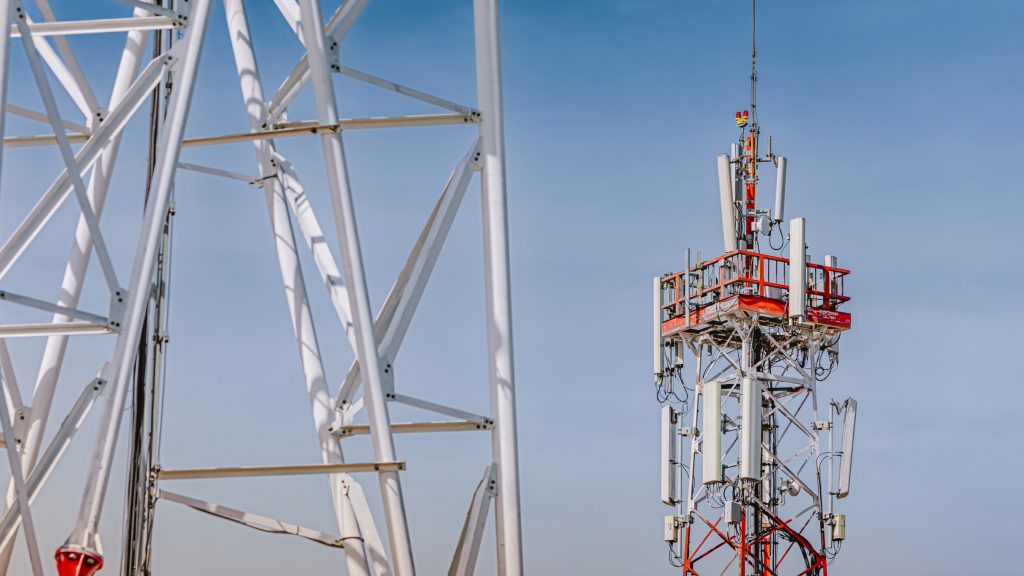
On November 26, Germany’s Federal Network Agency proposed a crisis core network to improve telecom network security after prolonged power cuts in Berlin raised concerns over whether mobile operators could maintain basic communication services during emergencies.
The proposal, developed alongside Germany’s Federal Ministry for Digital and State Modernisation and mobile operators Deutsche Telekom, Vodafone, Telefónica Germany, and 1&1, focuses on keeping calls and text messages available when conventional networks experience major disruptions. Rather than building an entirely separate network, Germany wants to make better use of the infrastructure its operators already have.
Berlin’s Blackouts Expose Network Weaknesses
Recent events in Berlin have given the telecommunications industry reasons to reconsider its emergency preparations. An arson attack left approximately 50,000 households and 2,000 businesses without electricity, while another incident affected around 45,000 households, with power restoration taking 100 hours.
For mobile operators, infrastructure sabotage presents a particularly difficult problem because the source of the disruption is often beyond their control. Even when network equipment remains undamaged, operators cannot guarantee service if their mobile sites run out of electricity.
A considerable part of improving mobile network resilience comes down to how long operators can keep their equipment running without access to the electricity grid. Batteries can provide temporary relief, but extended blackouts require other power sources, particularly in areas where repair teams cannot restore electricity quickly.
“Power continuity sits at the centre of the agency’s recommendations for telecoms network resilience,” wrote Ryan Daws, senior editor at Telecoms Tech News.
The Federal Network Agency suggests that operators expand their emergency power capabilities according to the risks identified within their networks. The recommendations also address the distribution of core data centers and alternative connections between different network components.
However, what Germany is dealing with, is a problem that stretches beyond telecommunications infrastructure. Operators may have emergency generators available, but keeping them running for several days requires fuel deliveries, working transport routes, and personnel who can access affected sites.
There is a financial side to telecom network security that also deserves attention. Over recent years, much of the industry’s spending has gone toward expanding mobile coverage and improving internet speeds, investments that operators can translate into commercial offerings.
Emergency power supplies are a different matter. Equipment could remain unused for years, making it harder for operators to justify the expense despite the potentially significant consequences of not having it.
Investment across the Germany telecom infrastructure sector could consequently become more dependent on regional risk assessments. A mobile site serving a hospital or emergency response center, for instance, may require different backup capabilities from one serving an area with several alternative connections.
The recommendations also address coordination between public authorities and network providers, an important component of network disaster recovery when electricity and communication services fail simultaneously. Recent cases of infrastructure sabotage in Germany have demonstrated just how closely the availability of these services is connected, particularly as more public and commercial activities move online.
When Mobile Operators Need Each Other
One of the more interesting aspects of Germany’s proposal is disaster roaming, which could allow customers to connect to another provider’s network when their own becomes unavailable.
While Germany already has cross-network arrangements for emergency calls, extending access to regular calls and text messages could make a substantial difference to mobile network resilience, especially during localized power cuts where some operators may still have functioning mobile sites.
Under normal circumstances, operators compete over network quality and coverage. During an emergency, however, those differences could determine whether customers can contact their families, reach medical services, or continue running their businesses.
Such cooperation would introduce additional technical considerations for telecom network security, including how networks authenticate customers from other providers and accommodate additional traffic without overwhelming the equipment that remains operational.
Germany’s regulator has also discussed an infrastructure registry and better coordination between operators and public authorities. Knowing which network resources are still available during an outage could help emergency teams allocate equipment and prioritize restoration efforts.
Satellite connectivity could provide another option, particularly when damage to ground-based equipment makes conventional communication difficult. Nevertheless, environmental limitations associated with direct satellite connections to mobile phones mean that existing telecommunications infrastructure will remain central to Germany’s emergency preparations.
The proposal comes at a time of regulatory changes within the German telecommunications market. In its 2026 outlook, international law practice Bird & Bird anticipated “more granular, risk-based obligations for operators” as Germany develops its security requirements.
The implementation of European cybersecurity rules under the NIS2 Directive brings further attention to critical infrastructure protection, with greater emphasis on how companies manage operational risks, report incidents, and assess their suppliers.
For companies operating within the Germany telecom infrastructure sector, these developments could influence investment decisions over the coming years. Uncertainty surrounding future spectrum allocation adds another financial consideration, as operators must continue expanding coverage while allocating resources toward 5G network security.
Bird & Bird also pointed to “heightened accountability for senior management,” placing decisions concerning telecom network security increasingly within the responsibilities of company executives rather than technical departments alone.
For now, the regulator’s recommendations do not constitute new binding obligations. Much will depend on how individual operators assess their vulnerabilities and whether they consider their existing emergency arrangements sufficient.
Germany’s proposal raises a question that the wider European telecommunications industry may eventually have to answer. For years, operators have measured technological progress through faster connections, wider coverage, and the commercial availability of new network generations.
Perhaps future investments in telecom network security should also be measured by how long a mobile network can remain operational without electricity. For someone experiencing a blackout, making an ordinary phone call could matter considerably more than having access to the country’s fastest 5G connection.
Inside Telecom provides you with an extensive list of content covering all aspects of the tech industry. Keep an eye on our Telecom sections to stay informed and up-to-date with our daily articles.
