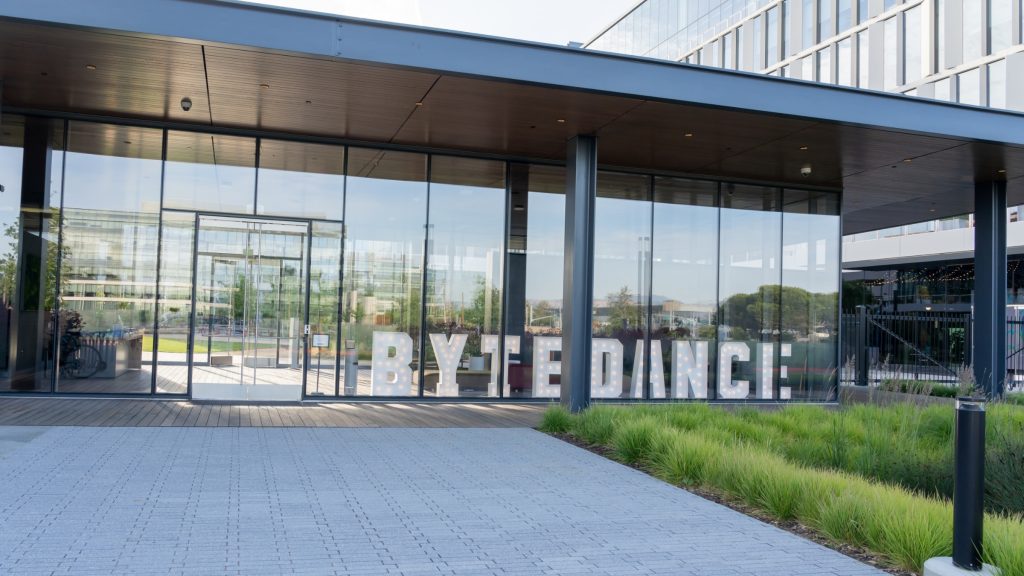
Tech giants, from ByteDance to Microsoft, are deploying aggressive reverse acquihire tactics to strip-mine the world’s most promising startups of their elite engineering talent, with tech giant of the US and Chinese behemoths alike currently fueling an 11-fold increase in AI job demand, offering record-shattering compensation packages to lure researchers away from smaller “neo-labs” that lack the compute capital to compete, according to IDN Financials and Invezz.
Silicon Valley’s giants of the US and Chinese behemoths are channeling the concentration of human intelligence as a as key chokepoint as the supply of high-end semiconductors.
Effectively, they are draining the startup ecosystem to power the trillion-dollar ambitions of the world’s dominant platforms.
Supportively, they’re scrambling for AI expertise to set the defining features of the industry, with startups and tech giants competing for a small pool of highly skilled researchers capable of building advanced large language models, while rising salaries, equity packages, and strategic hires are reshaping innovation pipelines and intensifying pressure on emerging labs AI worldwide.
China’s Escalating AI Talent Race
The current talent drain is all about competitive landscape, as the industry is tectonically moving toward a state of monopolistic consolidation hidden behind partnerships and licensing deals.
According to Bloomberg, Silicon Valley’s Google, Microsoft, and Meta are mastering the bypass of traditional regulatory scrutiny by licensing a startup’s technology, all while simultaneously absorbing its core founding team. It’s called “pseudo-acquisition,” and it’s happening everywhere in the tech world, but especially in the US and China.
Venture capital continues to flow into new entrants but the supply-to-demand ratio for specialized AI researchers has plummeted to a 1 to 3.5, leaving thousands of well-funded startups stranded without the expertise required to execute their roadmaps.
Big Tech’s vision to build superintelligence labs with seven-figure salaries, the great talent war is no longer just about hiring but a defensive maneuver to will guarantee for them that the next generation of AI innovations stays within the proprietary walls of Silicon Valley and Beijing.
As China’s AI sector expands, competition among tech giants has intensified, with firms aggressively poaching researchers from rivals and overseas hubs. A recent case involving DeepSeek researcher Guo Daya highlighted the stakes after reports said he joined ByteDance Seed AI team with a compensation package reportedly reaching USD 14.7 million (100 million yuan).
However, ByteDance vice-president Li Liang disputed the figure stating the firm uses standard remuneration combining cash and equity and added that, reflecting broader competition across US and Chinese tech ecosystems, “some staff could potentially earn hundreds of millions of yuan by exercising their stock options after four years” while not confirming Guo hiring.
The South China Morning Post reported that “Guo’s name has not yet appeared in ByteDance’s internal staff system” suggesting uncertainty around the move. Guo a former Microsoft Research Asia-linked PhD graduate and DeepSeek lead researcher, helped develop the R1 model that boosted the startup global profile. Meanwhile ByteDance has reportedly seen nearly 70 Seed team departures with many joining Tencent and others moving to OpenAI Google Meta and Apple.
Global Scramble and Big Tech Poaching Wave
The global AI race has intensified as US and Chinese tech giants escalate hiring from startups and rivals, with Meta, Google, Microsoft, and OpenAI leading an aggressive push to secure scarce expertise. In one notable case, Thinking Machines Lab, founded by former OpenAI CTO Mira Murati, saw engineering lead Joshua Gross leave to join Meta Superintelligence Labs, marking the fifth founding member’s departure as Meta expands its AI division.
Other founding members also left for OpenAI, while Safe Super Intelligence, founded by Ilya Sutskever, has similarly lost talent to Meta amid the growing superintelligence push.
Companies are offering unprecedented compensation, with some packages reportedly reaching up to $100 million in signing bonuses, and average stock-based pay exceeding $1.5 million per employee at leading AI firms.
Beyond US and Chinese salaries, Big Tech is striking unconventional deals, including Microsoft’s integration of Inflection AI talent, Amazon’s licensing agreement with Adept, and Google’s multibillion-dollar hire tied to Windsurf technology.
Industry leaders warn that fewer than 1,000 researchers globally possess the advanced skills needed for frontier AI systems, intensifying competition across every major tech hub.
Analysts say this talent concentration is reshaping innovation globally, as venture-backed AI startups struggle to retain researchers against the financial power and infrastructure scale of Big Tech firms, raising concerns that competition rather than collaboration will define the next phase of artificial intelligence development across both US and Chinese technology ecosystems in the coming decade and beyond.
Inside Telecom provides you with an extensive list of content covering all aspects of the tech industry. Keep an eye on our Intelligent Tech sections to stay informed and up-to-date with our daily articles.
