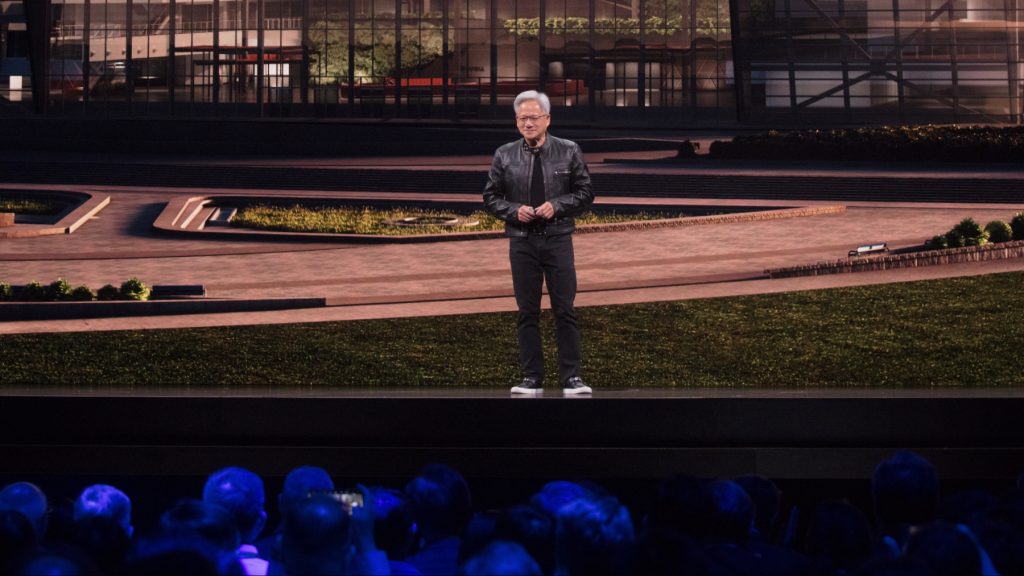
On November 16, technology executives joined calls for Jensen Huang to return to Nvidia, challenging the Nvidia CEO succession plan days after his departure, even as allegations involving China raised questions that extended far beyond the chipmaker’s boardroom.
Elon Musk, investors and thousands identifying themselves as Nvidia employees back the campaign. Their support complicates the Nvidia CEO succession plan, but it cannot settle the questions facing investigators.
The Industry Wants Its Founder Back
CNBC reported growing demands for Huang’s comeback. The Guardian said an open letter passed 165,000 signatures, with Musk, Epic Games founder Tim Sweeney, Y Combinator president Garry Tan and Uber co-founder Travis Kalanick among its backers.
An open letter that has more than 165,000 signatories demands that the company’s board members “bring Jensen back while an independent investigation establishes the facts.” More than 7,500 signatories identified themselves as Nvidia employees, about 18% of its workforce. Signatures show support, not companywide agreement.
The distinction matters because an open letter can amplify loyal voices without establishing what those who remain silent want the board to do. The campaign nevertheless draws attention.
The argument is partly about what Huang built. For three decades, Jensen Huang Nvidia founder and CEO was closely associated with bets on graphics computing that later made Nvidia’s processors indispensable to AI developers. Customers have built software around its chips.
That history explains the attachment behind Nvidia’s success story, but it does not answer how the company should respond to allegations involving its former leader. Reports describe relationships with a woman accused of spying for China and with a subordinate.
The Nvidia scandals have changed the stakes of the campaign. The board must weigh the consequences for staff, customers and regulators while inquiries continue.
Shareholders Brad Gerstner and Gavin Baker have urged directors to keep their options open. Their support makes Jensen Huang return an option they want examined, not an outcome the petition can command.
In that context, Nvidia executive succession planning has become a public disagreement over who should decide what happens next. Supporters want continuity; critics question reinstatement before the allegations are examined.
A Comeback Meets a Boardroom Wall
ABC reported on November 17 that Nvidia’s board was not considering Huang’s reinstatement. Interim chief executive Colette Kress must keep operations moving as directors consider a successor.
The Nvidia CEO succession plan now has to work in two directions at once: reassure customers that chip development will continue and convince shareholders the board can act independently. The next chief executive cannot simply imitate Huang.
What customers need is confidence in delivery dates, software support and access to chips, with AI projects already designed around Nvidia products.
US Treasury Secretary Scott Bessent added another layer on Sunday. Discussing the leadership dispute and questions about chips reaching China, he said Nvidia needed a “dramatic shake-up.”
He also questioned compliance with advanced-chip export restrictions.
The Nvidia scandals also have a national security dimension. That makes Nvidia CEO succession planning governance a matter extending beyond shareholders.
Nvidia must document compliance and show independent oversight of strategically sensitive technology.
Customers also need a workable Nvidia CEO succession plan while they wait for next-generation chips. The debate over Jensen Huang succession plan Nvidia now touches delivery schedules and customer commitments. That matters to customers. The leadership change may unsettle partners awaiting clear answers.
Keeping those relationships intact will test CEO Nvidia resilience in ways a petition cannot measure. Investors need evidence that projects can move without Huang.
That is why Nvidia Jensen Huang succession planning leadership development matters beyond the CEO title. Engineers and product leaders must have room to make decisions.
The question surrounding Nvidia CEO Huang AI development is ultimately practical: can Nvidia keep releasing competitive processors, supporting developers and meeting customer orders during a difficult transition? Progress on actual future products and customer commitments will matter more than announcements.
For those still arguing Jensen Huang succession plan Nvidia should leave room for a comeback, the board’s reported refusal is a setback. The board still needs a workable alternative. Against that backdrop, the Nvidia CEO succession plan must be credible to people who disagree about Huang’s return.
The Nvidia Jensen Huang succession plan 2026 dispute shows how much confidence rests on one person. Even supporters of Jensen Huang Nvidia founder and CEO must confront a tougher question: who gets to decide when loyalty ends and accountability begins?
As Nvidia executive succession planning advances, Nvidia must show that its achievements belong to more than one person.
Inside Telecom provides you with an extensive list of content covering all aspects of the tech industry. Keep an eye on our Tech sections to stay informed and up-to-date with our daily articles.
