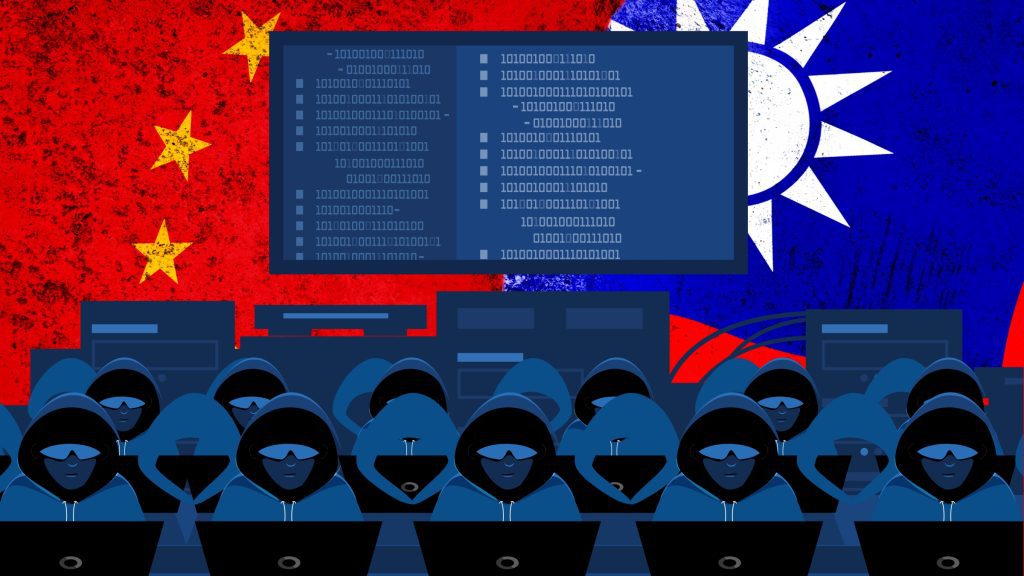
On June 14, Taiwan’s new crowdsourced intelligence platform opens another front against Beijing, giving Chinese citizens a protected channel to report information, while helping Taipei use foreign intelligence practices and screening to detect Chinese spying, infiltration, and security threats.
Taiwan’s National Security Bureau (NSB) introduced the intelligence platform with a one minute AI video showing a Chinese civil servant watching colleagues being removed and investigated. The agency said the scene was “reflecting a pervasive atmosphere that everyone is on edge under China’s totalitarian regime.”
Taipei isn’t only defending itself with soldiers, ships, and radar, but trying to fight China through this intelligence platform using information, cyber reporting, and people inside the system who may be willing to speak.
A Website Built for Quiet, Intelligence War
The digital intelligence platform invites Chinese nationals “who share the same values of democracy” to work with Taiwan by reporting Beijing.
The digital intelligence platform comes at a time when Taiwan says China is using espionage and infiltration to weaken its defenses from within. Beijing claims democratic Taiwan is part of its territory and has threatened to use force to take it, while Taiwan continues to accuse China of pressure, spying, and grey-zone activity.
The NSB said an “increasing number” of people have approached agencies in Taiwan “wishing to provide various types of information.”
It suggests the crowdsourced intelligence website was not launched as a symbolic move only, but as a response to a growing flow of people who may already want to share information with Taipei.
The model also shows how Taiwan is borrowing from larger crowdsourced intelligence powers. The NSB said the reporting channel was based on “practices adopted by intelligence agencies in the United States, the United Kingdom, and Israel.”
Taiwan’s crowdsourced intelligence platform is trying to create a safer, more structured way for people in China to send information without going through older, riskier routes.
The bureau said it would “rigorously filter,” evaluate and follow up submissions using technology. A public facing website can collect tips, but the real value comes from how fast Taiwan can sort weak reports from serious threats. If the crowdsourced intelligence system works, it will help security officers detect spying networks, military plans, disinformation campaigns, and internal risks way faster than before.
https://www.youtube.com/watch?v=mwfhItZ7x60
China’s Anger Shows the Pressure Point
Beijing’s response to the imposed threat intelligence crowdsourced platform was fast and sharp. China vowed to take “resolute countermeasures” after the website was launched.
Taiwan Affairs Office spokesman, Chen Binhua, said the platform “undermined cross-strait relations” and showed the ruling Democratic Progressive Party’s “persistent confrontational mindset,” according to state broadcaster CCTV.
The warning was also directed at Chinese citizens, not only Taiwan. Chen said people who provide in crowdsourced intelligence platform to Taiwan’s agencies will be held legally accountable. He added that Chinese citizens, political parties, people’s organizations, enterprises, public institutions, and other social organizations all have the duty to protect national security.
The crowdsourced intelligence platform could increase pressure on China. Taiwan is not matching Beijing ship for ship or jet for jet, but opening a new channel inside China’s information space. For Beijing, this is dangerous because it touches trust. If officials, workers, or citizens feel they can report safely to Taiwan, China must worry not only about outside surveillance, but about leaks from inside its own system.
The timing also matters.
China has stepped up pressure on Taiwan in recent years through military drills, diplomatic isolation, and grey zone warfare. It regularly sends fighter jets, warships, and coast guard ships near Taiwan. Beijing has also imposed blockades and has indicated that it would not rule out the use of force if it finds peaceful reunification is no longer possible.
That makes crowdsourcing intelligence speed extremely important for Taipei. Taiwan does not have the luxury of waiting for threats to become visible. A faster reporting channel could help it see patterns earlier, especially in espionage, cyber operations, military movement, and political interference.
The wider US China Taiwan picture adds another layer.
The US remains Taiwan’s closest security partner and is legally bound to help Taiwan defend itself. But Taiwan also knows it cannot depend on one ally alone. As Washington’s China policy shifts between tariffs, technology controls, arms sales, and political uncertainty, Taipei has more reason to build its own tools.
For Taiwan, it’s not just an intelligence issue but a security test. The island sits at the center of the AI race, the US China tech war, and Beijing’s military ambitions. By building its own reporting channel, Taipei is sending a clear message, its cyber and crowdsourced intelligence platform space will not become an open backdoor for China’s spying networks or pressure campaigns.
The Taiwanese political intelligence platform is small compared with missiles or warships, but in an online conflict, small tools can create big pressure.
Taiwan is turning information into defense, and China’s anger suggests Taipei may have found a sensitive nerve at the heart of Beijing’s security machine and control system during rising tensions across the Taiwan Strait.
Inside Telecom provides you with an extensive list of content covering all aspects of the tech industry. Keep an eye on our Cybersecurity sections to stay informed and up-to-date with our daily articles.