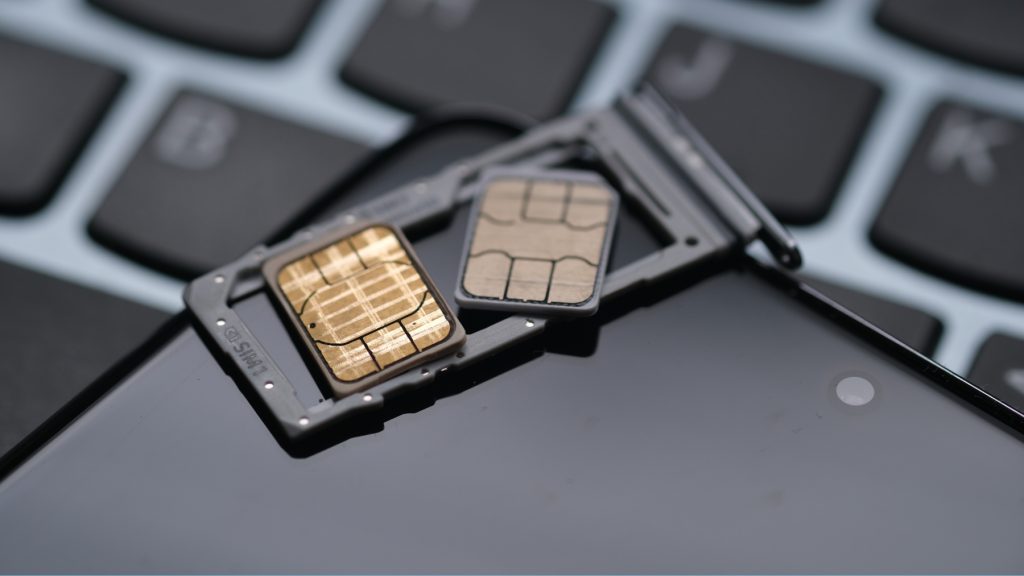
Infobip has launched SIM-based Number Verification, accelerating data monetization in telecom by providing telcos with a new authentication revenue stream while helping enterprises replace on-time passwords with a method built on mobile network and SIM identity technology.
The launch connects mobile network operators (MNOs) with enterprise demand through Infobip’s Network API aggregation and onboarding services. It comes as Vodafone expands its own network-based verification API and Indian banks work with operators on silent authentication, associated to a broader industry shift away from SMS codes.
Turning Mobile Identity into Operator Revenue
Infobip’s new solution uses the SIM and mobile network as a trusted identity layer, letting users authenticate without entering a one-time password (OTP). The technology checks through the network whether the phone number matches the SIM inside the device, confirming that the user holds the registered mobile number.
For operators, the service puts data monetization in telecom within digital identity, an area where networks already hold valuable information and established customer trust. Rather than remaining an internal network function, Infobip connects that authentication capability with businesses seeking stronger security and simpler customer journeys.
The approach gives operators a channel to commercialize authentication signals as a foundational element of the telecom data monetization push. Enterprises, in turn, gain access to network-level checks through a single connection rather than building separate integrations with each MNO.
Unlike older verification methods that relied mainly on mobile data, Infobip’s service works across cellular and Wi-Fi connections. It also supports consent and token-based processes, widening its use across applications, websites, account onboarding, login, and transaction approval.
The commercial case for sim number verification rests partly on the limits of SMS OTPs. Codes can be intercepted through phishing, social engineering, SIM cloning, and unauthorized eSIM swaps. Failed message delivery and artificially generated OTP traffic can also increase costs for businesses without confirming that the legitimate subscriber is present.
“Operators already own one of the most trusted assets in digital identity – the SIM and the network authentication process,” said Matija Ražem, Chief Commercial Telecom Officer at Infobip.
Infobip’s aggregation model could reduce the technical and commercial fragmentation that has slowed data monetization in telecom market development. Operators gain access to enterprise demand, while businesses can introduce network authentication across several markets through a common integration.
This structure shares some characteristics with charging-as-a-service platforms for telecom monetization, where a technology provider handles integration and commercial access between networks and business customers. In authentication, the billable asset is not connectivity alone, but the trusted network signal confirms a user’s identity.
Infobip’s entry also adds competition around the best telecom monetization API platform, as communications technology providers, operator alliances and individual carriers race to make network capabilities easier for developers to purchase and deploy.
Vodafone and Banks Accelerate Silent Authentication
Vodafone launched Number Verify 2.0 in Germany, the Netherlands and the UK in July as the beginning of a wider global deployment. Its API verifies whether a mobile number is connected to a user’s SIM and device, removing the need for SMS authentication across app and web journeys on mobile data and Wi-Fi.
Mobile World Live reported that the service initially supports Android and follows the CAMARA international standard for interoperability.
Vodafone’s deployment gives additional momentum to telecom data monetization, showing how operators can package internal network functions as products for banks, retailers and social media platforms. The operator said the API could improve conversion by simplifying onboarding, login and account recovery while reducing SMS expenses and failed OTP attempts.
“SMS OTP has been the default for over a decade, but it was never built for the threat environment we operate in today,” said Johanna Wood, director of network APIs at Vodafone.
The Vodafone rollout illustrates how network API monetization can convert security functions into enterprise services. Standardized APIs may help developers introduce the same authentication process across operators and countries without redesigning each customer’s journey.
India offers another example of growing demand. Private banks and telecom operators are developing silent authentication systems that check whether the number registered with a banking application matches the SIM active on the device. A mismatch can be flagged or blocked without requiring the customer to take additional action, according to The Economic Times.
The work is intended to address SIM cloning and eSIM swaps as banks comply with stronger two-factor authentication requirements. Although SMS OTPs remain permitted, financial institutions are also adopting biometrics, application-generated tokens, and device-level security.
That demand expands the data monetization in telecom market beyond messaging and connectivity. Authentication allows operators to sell access to signals already generated inside their networks, while banks gain another layer of fraud detection that does not interrupt legitimate transactions.
For Infobip, sim number verification provides a practical route to connect this demand across markets. Its role is to aggregate operator APIs, bring enterprises into the service, and reduce the work required for commercial deployment.
The opportunity extends beyond security. Operators that monetize telecom networks through authentication can participate more directly in digital services while businesses reduce customer drop-offs caused by delayed, failed or mistyped codes.
However, scaling data monetization in telecom will depend on operator coverage, consistent consent rules, and common technical standards. Enterprise customers will expect reliable performance across different networks before making silent verification a central part of their authentication systems.
Models resembling charging-as-a-service platforms for telecom monetization could help manage access, billing and settlement as adoption grows. They may also give smaller operators a path into enterprise authentication without building separate commercial relationships in every market.
Ultimately, telecom network monetization is moving toward trusted capabilities that networks can expose securely through APIs. Infobip’s launch positions SIM identity as one such asset, while Vodafone’s rollout and India’s banking pilots suggest enterprises are increasingly prepared to replace SMS codes with verification embedded inside the network.
For operators, data monetization in telecom is therefore becoming less about selling raw customer information and more about offering privacy-conscious network decisions that businesses can use without directly receiving sensitive subscriber data.
Inside Telecom provides you with an extensive list of content covering all aspects of the tech industry. Keep an eye on our Telecom sections to stay informed and up-to-date with our daily articles.
