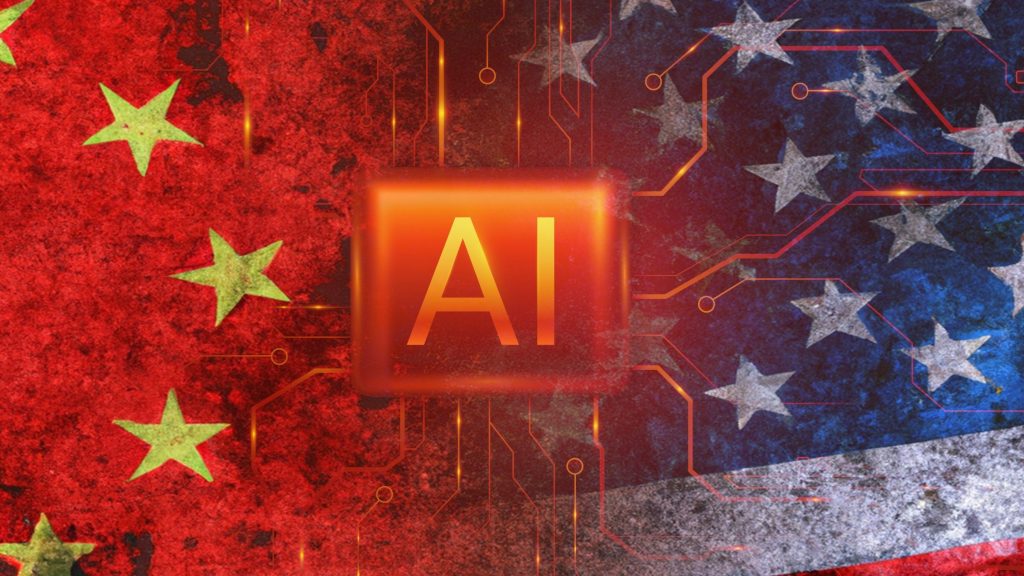
From batteries to supercomputers, AI models, solar panels, rare earths, and robotics, China tech is turning cheap innovation into a more strategic power to force Washington to question whether lower prices now mean deeper dependence later. China is no longer the world’s factory floor.
The real threat is not that China tech is weak, but it becoming too strong, too cheap, and too central to ignore. For years, the US treated China as the place where products were made at lower cost. Now Beijing’s strategy relies on building advanced systems that may power American cars, data centers, clean energy, weapons tests, and AI tools.
That China tech dominance could give the world better products, but it also gives Beijing control over supply chains Washington cannot easily replace.
China’s Factory Floor Moves Up Tech Ladders
At a battery site in southeastern China, robot arms wind strips of metal into rolls before workers place the young batteries into aluminum cases and give them an electrical charge. The batteries are “given life.”
Owned by Contemporary Amperex Technology Company Ltd. (CATL), the site is shown to be as the world’s largest cluster of battery factories and the most advanced. The old balance between the US and China tech is no longer stable. American companies once entered the China tech race with superior technology and cheaper labor in mind. Chinese partners learned, absorbed, and then caught up.
CATL says it has a battery that can power an electric vehicle for 250 miles with less than 10 minutes of charging – around three times faster than batteries usually found in other electric vehicles. The same technology is helping China export millions of cheaper electric vehicles around the world.
Cheap Chinese batteries can speed up the clean energy transition, make electric cars more affordable, support data centers, and lower costs. But if the US depends on China tech for the specs inside cars, storage systems, and data, then price becomes only one side of the story.
The same China tech race pattern is moving beyond batteries. China’s LineShine supercomputer in Shenzhen displaced the top UD computer, El Capitan, in the Top500 rankings. It reached 2.198 exaflops, meaning it can perform more than two quintillion calculations per second. Supercomputers help search for medical breakthroughs, model climate systems, simulate nuclear explosions, predict human behavior, and support virtual weapons testing.
Cheap AI Meets Rare Earth Pressure
The pressure is also adding and moving through AI, with US tech stocks dropping in value as investors worry that cheaper Chinese AI models could challenge expensive Silicon Valley products, while pressure mounts around Chinese technology stocks showing how fast Beijing’s advances moves can shift global markets.
China tech, DeepSeek, shook markets at the start of 2025. Now Z.ai, formerly Zhipu AI, is adding to the concern.
“With the launch of its GLM-5.2 model, Z.ai has mounted the most impressive Chinese challenge yet to US dominance in artificial intelligence,” Gavekal Research analyst Will Denyer wrote.
If Chinese AI models become good and cheaper, American AI leaders may face a profit problem. Microsoft Chief Executive Satya Nadella has said leading models from Anthropic and OpenAI are too costly. Microsoft is considering hosting a version of DeepSeek because of cost issues.
The risk is not only commercial, even for investors watching Chinese technology stocks. This shows how the risk has become structural. If US companies start moving token use toward Chinese models because they cost less, American dependence could grow inside the systems that run business, research, and data services.
Denyer’s warning was direct, “when Chinese companies enter the room, profits typically make a swift exit.”
Then there are rare earths and dual-use pressure. China announced sanctions on 10 American military related companies after a US move blocking the China tech dominance that could take place of companies from defense contracts. China said its companies would be blocked from exporting “dual-use” items to those American companies. Dual-use goods can serve military and non-military needs.
The list includes drone makers and companies linked to rare earth mining. Rare earths sit inside weapons, electronics, clean energy systems, and advanced manufacturing. If China tech can limit access during political tension, then supply chains become tools of pressure.
Partner for Greater China at The Asia Group, called the response limited, George Chen, stated that “Those companies are not going to do business in China, so the impact will be quite symbolic.”
In a technology cold war, symbols send warnings. Batteries, AI, supercomputers, solar panels, and rare earths are not separate stories. They are pieces of the same map. China tech dominance is cheaper, faster technology may help the world build cleaner and smarter systems, but for the US, every low-cost breakthrough now carries a harder question, who controls the future when dependence becomes the price of progress?
Inside Telecom provides you with an extensive list of content covering all aspects of the tech industry. Keep an eye on our Tech sections to stay informed and up-to-date with our daily articles.